Bust Sculpture: Statue Price in India | Formforge

Bust Sculpture: Statue Price in India
Marble bust sculptures have a timeless appeal, adding a touch of elegance and sophistication to any space. These sculptural artworks, often depicting iconic figures from history and mythology or serving as customized portraits of loved ones, are highly sought after in India. This article delves into the world of bust statues, exploring their definition, history, the materials used in their creation, and the various types available, with a special focus on marble bust sculptures and their price in India.
Understanding Bust Statues
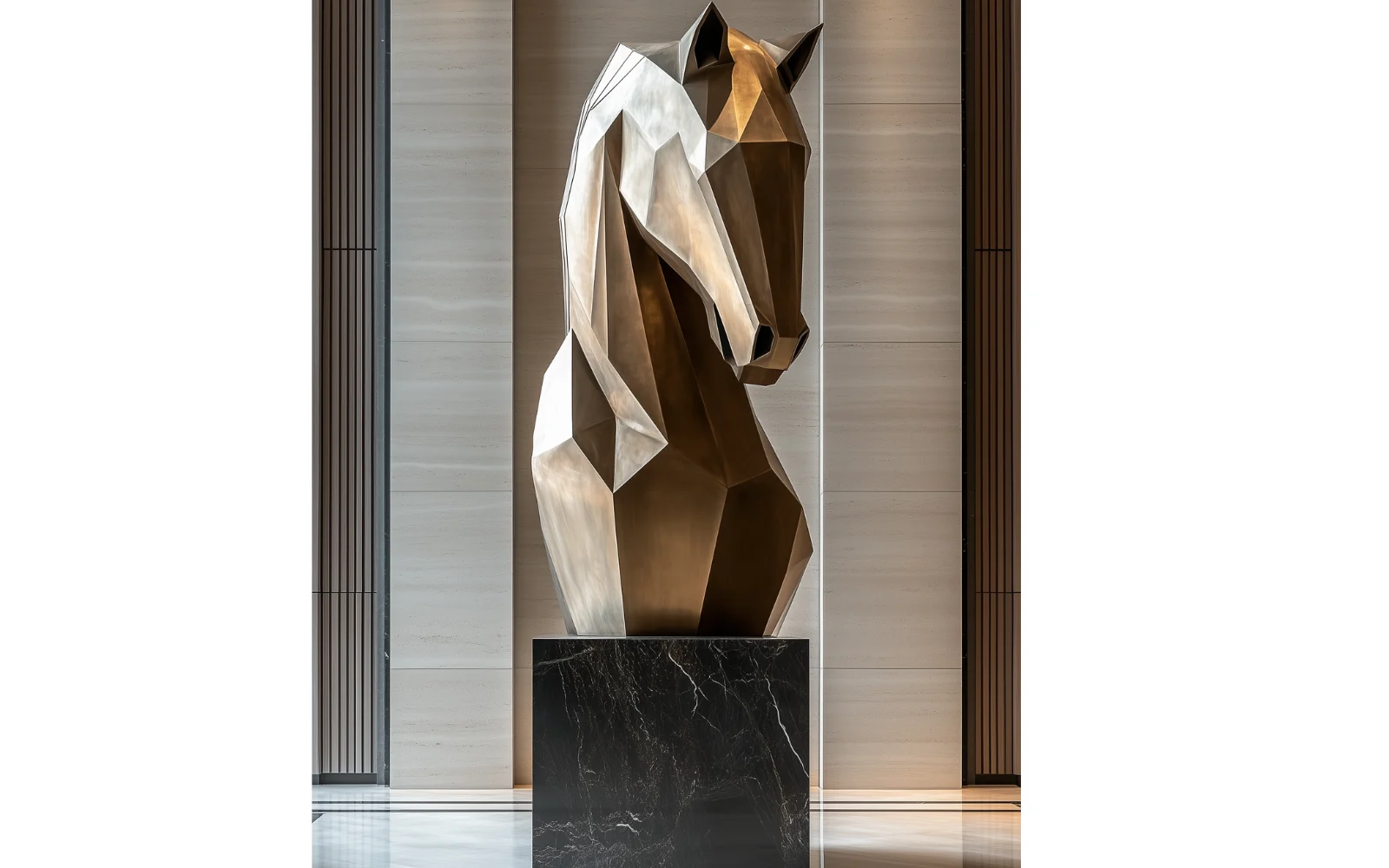
Definition and History of Bust Sculpture
A bust sculpture is a three-dimensional artwork that depicts the upper portion of the human form, typically including the head, neck, and a portion of the chest and shoulders. The history of bust statues stretches back to ancient civilizations, with examples found in ancient Greece and Rome. These early busts served as portraits of rulers, gods, and prominent citizens, often crafted from marble or other durable materials. Hellenic sculptors were masters of capturing the essence of their subjects, creating lifelike marble bust sculptures that continue to inspire awe today. Busts remain popular as gallery pieces or elegant decor in modern homes.
Materials Used in Bust Sculpture Creation
Various materials can be used to create bust sculptures, each offering unique aesthetics and properties. Marble, particularly high-quality stone marble, is a classic choice, prized for its beauty, durability, and ability to be intricately carved. Bronze offers strength and permanence, while plaster is often used for preliminary models or affordable replicas. Other materials like terracotta and wood are also employed. When considering a Bust Sculpture in India, it’s crucial to inquire about the type of marble and craftsmanship to ensure a high-quality artwork that endures for generations.
Types of Bust Statues
Bust statues come in a wide array of styles and subjects. Some depict historical figures, such as Roman emperors or Greek philosophers, while others portray characters from Greek mythology, like Apollo or Venus. Portrait busts, commissioned to capture an individual’s likeness, are often used as monuments. Busts can also be categorized by artistic style, ranging from classical realism to modern or abstract interpretations. The choice of bust reflects the owner’s tastes, whether they’re collectors, philanthropists, or admirers of the human form’s craftsmanship. Greek busts, in particular, are popular as home decor accessories in their original condition.
The Art of Bust Sculpture
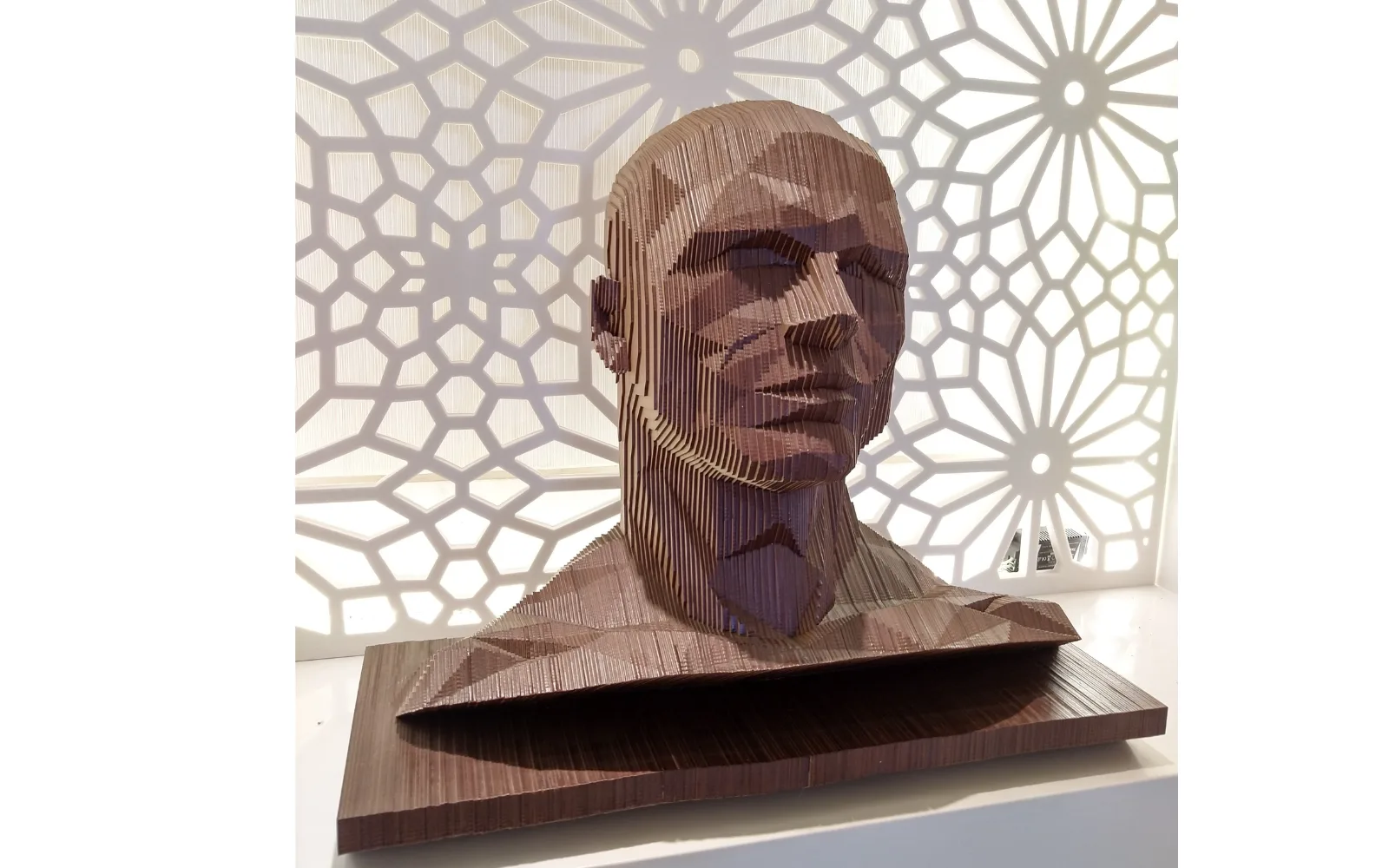
Techniques for Crafting Marble Busts
Creating a Bust Sculpture is a demanding and intricate process requiring exceptional skill. Sculptors begin with a preliminary model, often in plaster, to establish the form and proportions. This model guides the marble carving, which involves using tools like chisels and rasps to gradually remove stone and reveal the desired shape. A deep understanding of anatomy is essential to accurately depict the human form. The final stages involve polishing the marble bust to enhance its natural luster and intricate details. The craftsmanship required significantly impacts the final price in India.
Famous Marble Bust Sculptures in History
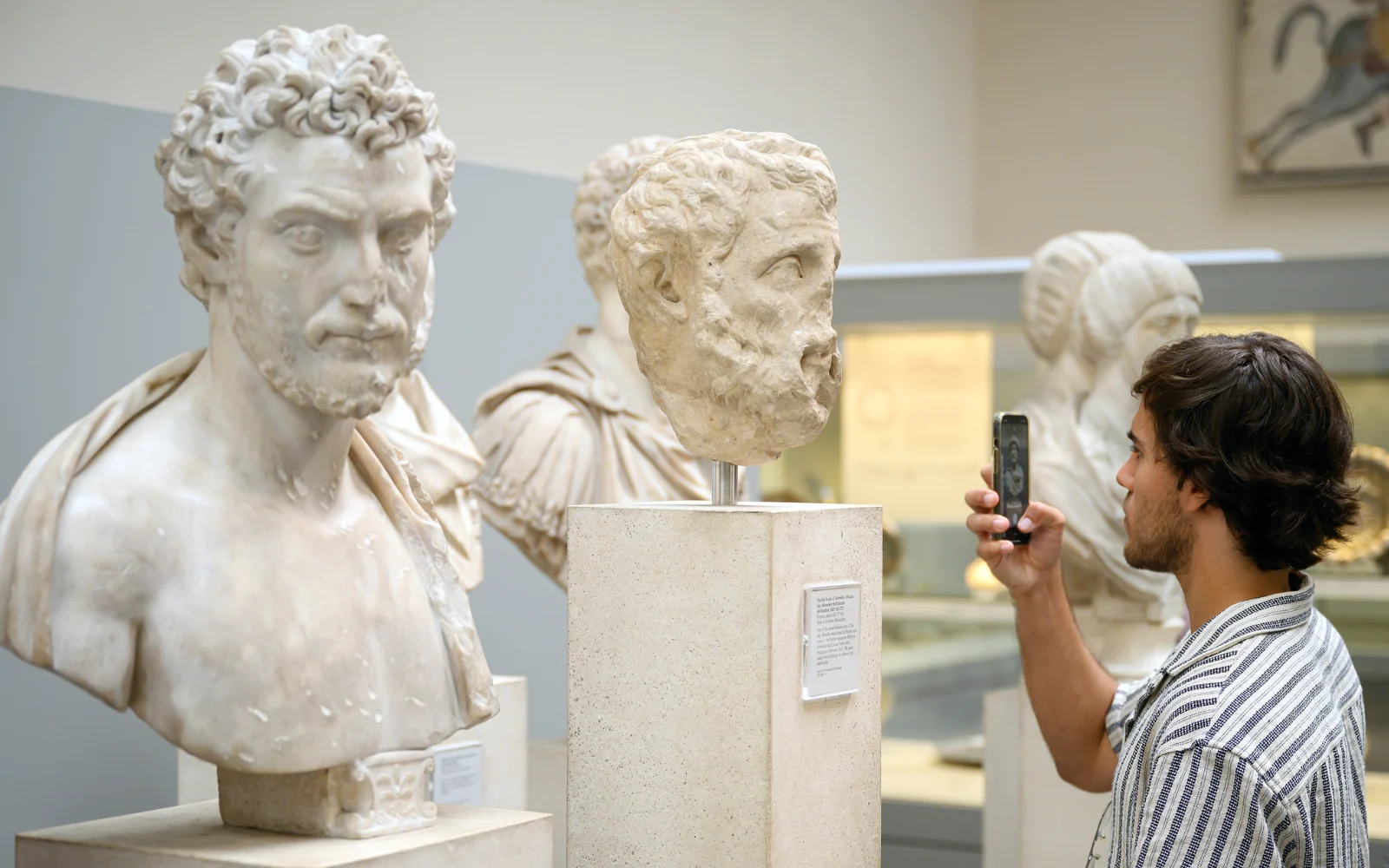
Iconic marble bust sculptures have left a lasting mark throughout history. Busts of Roman emperors like Augustus are renowned for their realism and depiction of power. Hellenic sculptors crafted majestic busts of philosophers such as Socrates and Plato, capturing their essence with remarkable detail. During the Renaissance, artists like Donatello revived the classical tradition, creating exquisite portrait busts that reflected their subjects’ unique personalities. These ancient and Renaissance works continue to inspire modern busts and marble statues.
Modern Interpretations of Bust Sculpture
Modern artists push the boundaries of traditional bust sculpture techniques and materials. While marble remains popular, contemporary sculptors experiment with bronze, plaster, and mixed media. Modern busts may be abstract or conceptual, focusing on emotion or themes rather than strict realism. Some feature fragmented or distorted forms, challenging conventional beauty standards, while others incorporate technology or found objects. These modern interpretations add a unique touch to decor, offering a contemporary take on a classic subject.
Pricing Factors for Marble Busts in India
Influences on Bust Sculpture Pricing
The price of a Bust Sculpture in India is influenced by several factors. The type and quality of marble, such as high-purity, fine-grained stone marble, significantly affect cost. The size and complexity of the bust also play a role; larger, intricately carved pieces require more time and skill, increasing the price. The artist’s reputation and experience can further elevate costs, with renowned sculptors commanding higher prices. Additionally, the level of detail and realism impacts the price—a highly detailed portrait bust capturing the subject’s essence is more expensive than a simpler piece.
Average Prices for Marble Bust Statues in the Indian Market
In the Indian market, marble bust statue prices vary widely. A small, simple marble bust, such as a classical figure replica, might start at INR 15,000 to INR 30,000. A mid-sized, detailed Bust Sculpture, especially a customized portrait, could range from INR 50,000 to INR 150,000. Large, intricately carved busts by well-known artists can exceed INR 200,000 or reach several lakhs. Prices fluctuate based on the bust’s characteristics and the seller. Comparing quotes and assessing craftsmanship ensures a high-quality piece for decor or gallery display.
Comparing Marble Bust and Plaster Bust Prices
Choosing between marble and plaster busts often depends on budget and aesthetic preferences. Marble bust sculptures are more expensive due to the material’s cost, labor-intensive carving, and durability. Plaster busts, made from a cheaper, moldable material, are more affordable but less durable. Marble’s natural luster and unique veining offer superior aesthetic appeal, making it a long-term investment that retains beauty and value. While plaster busts may serve as temporary displays, marble busts add sophistication, with authentic Greek busts particularly impressive as decor.
Exploring Bust Sculpture Galleries
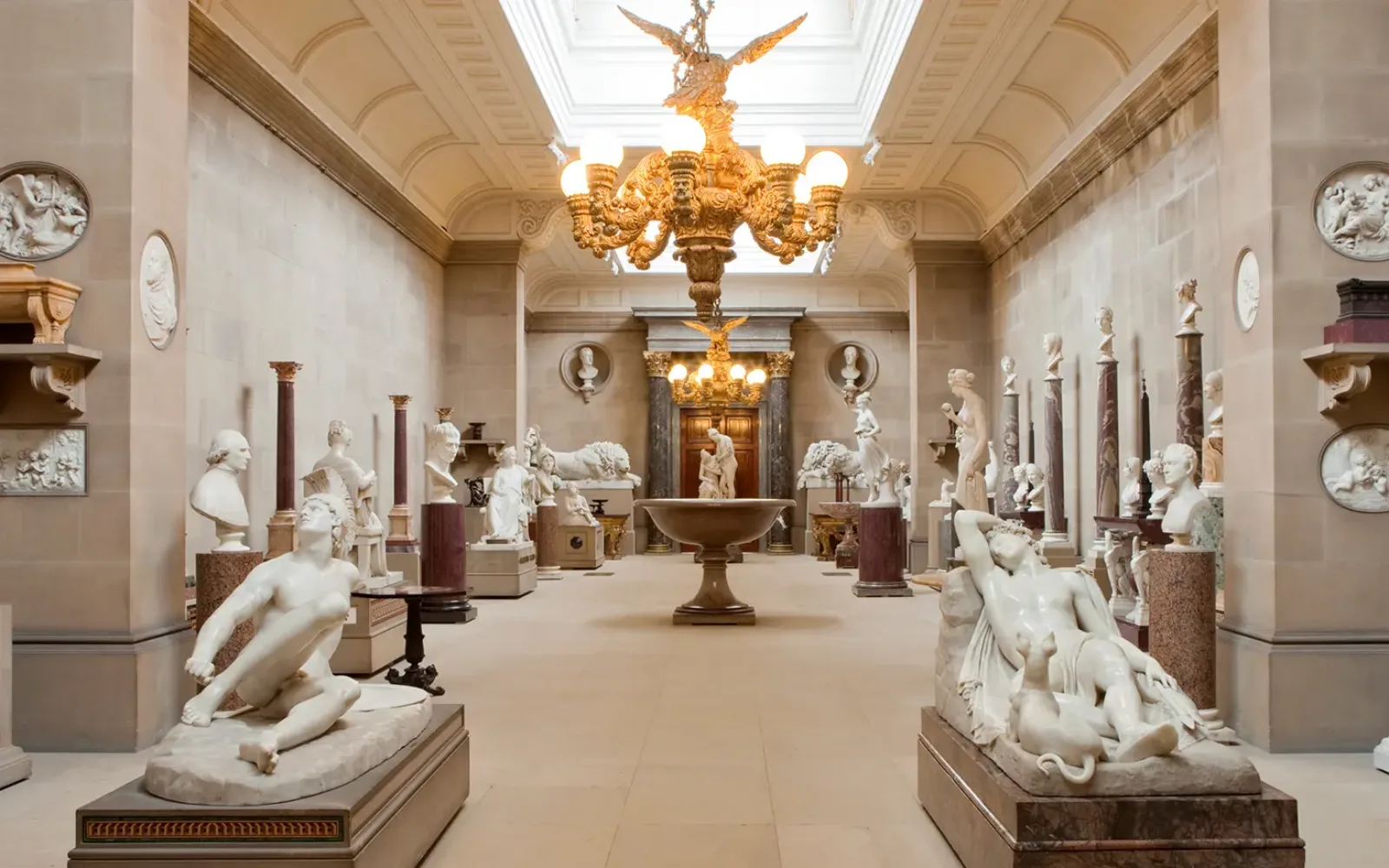
Notable Galleries Featuring Bust Sculptures
Visiting a gallery specializing in sculptures, including marble busts, is enriching for art enthusiasts and collectors. These galleries showcase diverse bust statues in materials like marble, plaster, and bronze, allowing close examination of craftsmanship. Galleries featuring Greek or Roman portraits offer a chance to appreciate the artistry behind these three-dimensional forms. Exploring a sculpture gallery helps discover new artists and deepens understanding of bust art, whether for seasoned collectors or art admirers.
How to Choose the Right Bust Sculpture for Your Collection
Selecting a bust sculpture involves aligning the artwork with your aesthetic preferences and decor. Consider the style and subject—classical Greek, Renaissance portrait, or modern abstract—and the bust’s size relative to its display space. A large marble bust suits a grand foyer, while a smaller plaster bust fits a study. Assess craftsmanship and materials to ensure quality. In India, customization options allow you to find a marble bust that captures your vision, enhancing your gallery or home.
Online Resources for Purchasing Marble Bust Sculptures
Online art galleries and auction houses offer a wide selection of marble bust sculptures. These platforms provide detailed descriptions, high-resolution images, and information on materials and craftsmanship. Research the seller’s reputation and reviews for a trustworthy transaction. Inquire about the artist’s background, statue provenance, and return policies. Reputable online resources ensure transparency, enabling informed decisions to add a beautiful marble bust to your collection, with many offering delivery to India for a seamless process.
Conclusion: The Timeless Allure of Marble Bust Sculptures
Marble bust sculptures continue to captivate with their elegance and craftsmanship, bridging ancient artistry with modern aesthetics. Whether enhancing home decor or enriching a gallery collection, these sculptures offer enduring beauty and cultural significance in India.
The Future of Bust Sculpture in India
The future of bust sculpture in India is promising, with artists blending traditional techniques with innovative approaches. The growing demand for marble busts, both domestically and internationally, reflects their lasting appeal.
Supporting Artistic Expression through Sculpture
Investing in marble bust sculptures encourages artists to push creative boundaries, enriching India’s cultural landscape with their unique visions.
Connecting with the Sculpture Community
Engaging with the sculpture community through exhibitions, workshops, or online platforms fosters a deeper appreciation for bust art, connecting artists, collectors, and enthusiasts.
People Also Ask: Your Questions Answered
What is a bust sculpture?
A bust sculpture is a three-dimensional artwork depicting the head, neck, and a portion of the chest and shoulders of a human figure, often crafted in materials like marble, bronze, or plaster. It typically serves as a portrait to capture the likeness of an individual or represent a type, such as a mythological or historical figure. Busts are valued for their ability to convey distinctive characteristics with less material and space than full-body statues, as explained by Wikipedia.
Why is a statue called a bust?
The term "bust" comes from the French word buste, meaning a sculpture of the upper torso and head, possibly derived from the Latin bustum, meaning "tomb," as busts were often used in funerary contexts. In sculpting, a bust refers to a statue focusing on the head, neck, and upper chest, distinguishing it from full-body statues or standalone heads, which are sometimes mistakenly called busts, according to Merriam-Webster.
What does bust mean in sculpting?
In sculpting, a bust is a sculpted or cast representation of a person’s head, neck, and part of the chest and shoulders, typically supported by a plinth. It is a portrait style that emphasizes the subject’s facial features and expression, often crafted in durable materials like marble for longevity and aesthetic appeal. The term distinguishes it from full-figure statues, as noted in Wikipedia’s definition.
Which is the largest bust sculpture in India?
The largest bust sculpture in India is the Adiyogi Shiva statue in Coimbatore, Tamil Nadu, depicting the Hindu god Shiva. Standing at 112 feet (34 meters) tall, it is recognized by Guinness World Records as the world’s largest bust sculpture. Its height symbolizes the 112 chakras in yogic culture and methods for self-transformation.
Which is the largest bust sculpture in the world?
The Adiyogi Shiva statue in Coimbatore, India, holds the title of the world’s largest bust sculpture, as verified by Guinness World Records. Measuring 112 feet (34 meters) in height, 24.99 meters in width, and 44.90 meters in length, it represents Shiva, the first yogi, and is a symbol of yoga and spiritual transformation.
What is the meaning of bust photo?
A "bust photo" typically refers to a photograph of a person from the chest up, focusing on the head, neck, and shoulders, similar to the composition of a bust sculpture. In the context of sculpture, it may also mean a photo used as a reference for crafting a custom bust, capturing the subject’s likeness for the artist to sculpt, as described in general art terminology on sites like Britannica.
How to make a bust sculpture?
Creating a Bust Sculpture involves sketching or modeling in clay/plaster to define proportions, then carving marble with chisels and rasps, guided by anatomical knowledge. The surface is polished to enhance details and luster. The process requires skill and specialized tools, often taking months for detailed pieces. Beginners can start with softer materials like clay, as outlined in sculpting guides on Sculpture Atelier.
Who made a sculpture bust of Andrew Foster’s head?
There is no widely documented evidence of a specific sculpture bust of Andrew Foster, an educator known for advancing deaf education. If such a bust exists, it would likely be a custom commission by a local artist or institution honoring his legacy. Further research into museums or archives related to Foster’s work may be needed to confirm its existence.
What is an Ares bust statue?
An Ares bust statue is a sculptural representation of Ares, the Greek god of war, depicting his head, neck, and upper chest. Often crafted in marble or bronze, these busts capture Ares’ fierce expression and attributes, such as a helmet or armor, reflecting his mythological role. They are popular in classical art collections and as decor, as noted in discussions of Greek sculpture on The Met Museum.
What is the Bust of Nefertiti sculpture?
The Bust of Nefertiti is a famous ancient Egyptian sculpture created around 1345 BCE, attributed to the sculptor Thutmose. Crafted from limestone with a plaster coating, it depicts Queen Nefertiti with remarkable realism and is considered a masterpiece of ancient art. Housed in Berlin’s Neues Museum, it’s one of the most iconic bust sculptures globally.
Explore More From FormForge
View Our Portfolio
Explore our complete collection of metal sculptures and installations created for temples, homes, and commercial spaces worldwide.
Custom Sculptures
Get a custom god idol designed specifically for your space. Our team will help bring your vision to life with premium materials.
Related Articles

Luxury God Idols & Deity Statues | Stainless Steel, Brass & Corten Steel Collection
Explore Luxury God Idols & Hindu Deity Statues in Stainless Steel, Brass & Corten Steel. Discover custom-crafted Ganesha, Krishna, and Buddha sculptures available in antique, mirror-polished, and natural rust finishes. Designed to be weather-resistant and enduring, our religious idols are ideal for home temples, gardens, and monumental installations.
Outdoor Sculptures in Metal: The Complete Guide to Architectural & Site-Specific Installations
Explore the definitive guide to high-end outdoor sculptures in metal. Learn how corten steel, stainless steel, and bronze installations are designed, commissioned, and built for luxury residences, commercial developments, and public spaces — with Formforge's site-specific approach.