Explore the Beauty of Hindu God Sculptures

Explore the Beauty of Hindu God Sculptures
As we start this journey, we find a world of Hindu God Sculptures rich in divine art. This art has been a key part of Indian culture for ages.
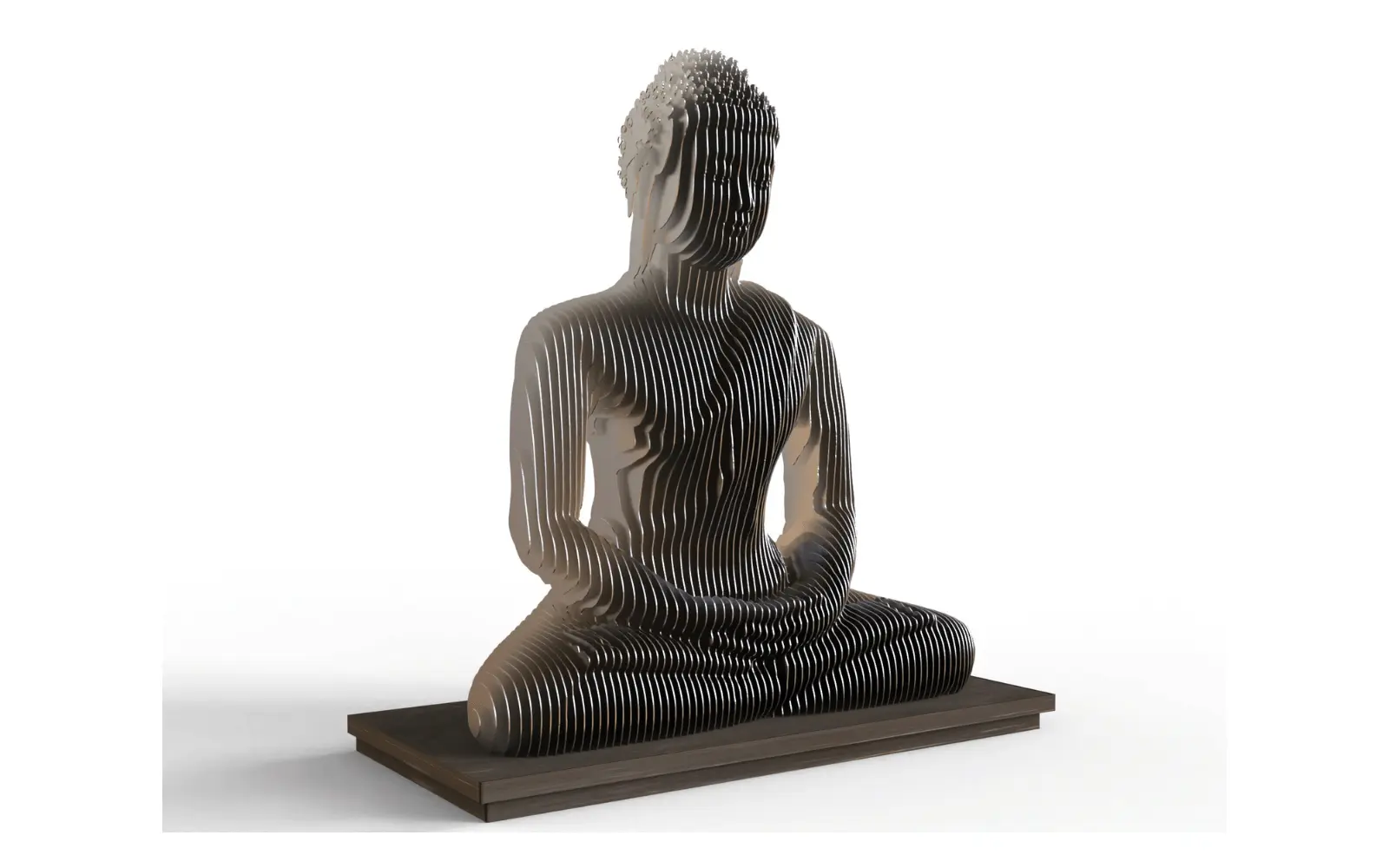
Hindu deity sculptures are more than spiritual symbols. They show off incredible craftsmanship and the heart of Hinduism. From detailed stone and wood carvings to grand metal statues like the stainless steel Shiva statue, each piece shares a tale of faith and legend.
Key Takeaways
- Understanding the significance of Hindu God Sculptures in Indian culture.
- Exploring the evolution of sculptural traditions.
- Discovering various forms of Hindu deity representations.
- Learning about the craftsmanship behind abstract Hindu sculptures.
- Appreciating the artistry in Jatayu sculpture from Ramayana.
The Divine Artistry of Hindu God Sculptures
Hindu god sculptures showcase India's rich spiritual heritage and artistic skill. These sculptures are more than decorations. They carry deep symbolic meanings and stories from Hindu mythology, connecting the devotee to the divine.
Spiritual Significance in Hindu Sculpture Art
The spiritual depth of Hindu sculpture art is immense. These sculptures are used in worship and meditation, linking us to the divine. Their intricate details and craftsmanship show the devotion and reverence in their creation.
Spiritual statue art is key in Hindu worship, each sculpture sharing a story or spiritual message. The use of traditional Hindu idols in worship highlights the lasting impact of Hindu sculptural traditions.
Evolution of Hindu Sculptural Traditions
Hindu sculptural traditions have grown over centuries, shaped by dynasties, cultural exchanges, and artistic innovations. This growth has led to a diverse and vibrant art scene, with divine sculptures India celebrated for their beauty and spiritual value.
The skill in creating Hindu deity statues has been honed over centuries, with artisans sharing their knowledge through generations. This heritage is seen in the sculptures' intricate craftsmanship and attention to detail.
| Period | Sculptural Style | Notable Features |
|---|---|---|
| Ancient Period | Classical Indian Sculpture | Influence of Gupta and Mauryan dynasties, emphasis on naturalism |
| Medieval Period | Regional Styles | Diverse styles emerging across different regions of India |
| Modern Period | Contemporary Sculpture | Incorporation of modern materials and techniques, fusion of traditional and contemporary styles |
Materials and Craftsmanship in Hindu God Sculptures
The art of making Hindu god sculptures is all about the materials and the skill. For ages, Indian artists have honed their craft. They create sculptures that look great and hold spiritual value.
Traditional Materials: Stone, Wood, and Bronze
For a long time, sculptures were made from stone, wood, and bronze. Each material has its own special meaning. Stone sculptures are strong and last long, perfect for temples and outdoors. Wood carvings are detailed and intricate, great for complex designs.
Here are some key traits of traditional materials:
- Stone: Durable, weather-resistant, and can be carved finely.
- Wood: Allows for detailed work, can be polished well.
- Bronze: Strong and good for detailed designs.
Contemporary Materials: Stainless Steel and Corten Steel
Nowadays, stainless steel and corten steel are used for sculptures. They bring a modern look to traditional art. Stainless steel is great for outdoor sculptures because it doesn't rust.
Using modern materials has its benefits:
- Durability: Resists weather and corrosion.
- Versatility: Can be shaped in many ways.
- Low Maintenance: Easy to keep clean.
The Meticulous Process of Creating Divine Forms
Making Hindu god sculptures is a detailed process. It starts with choosing the right material and designing. The skill and dedication of Indian artists are evident in every sculpture.
Key parts of the craftsmanship include:
- Attention to detail: Every part of the sculpture is carefully made.
- Traditional techniques: Old methods are kept alive.
- Innovative designs: New ideas meet traditional themes.
Iconic Lord Shiva Sculptures: From Traditional to Contemporary
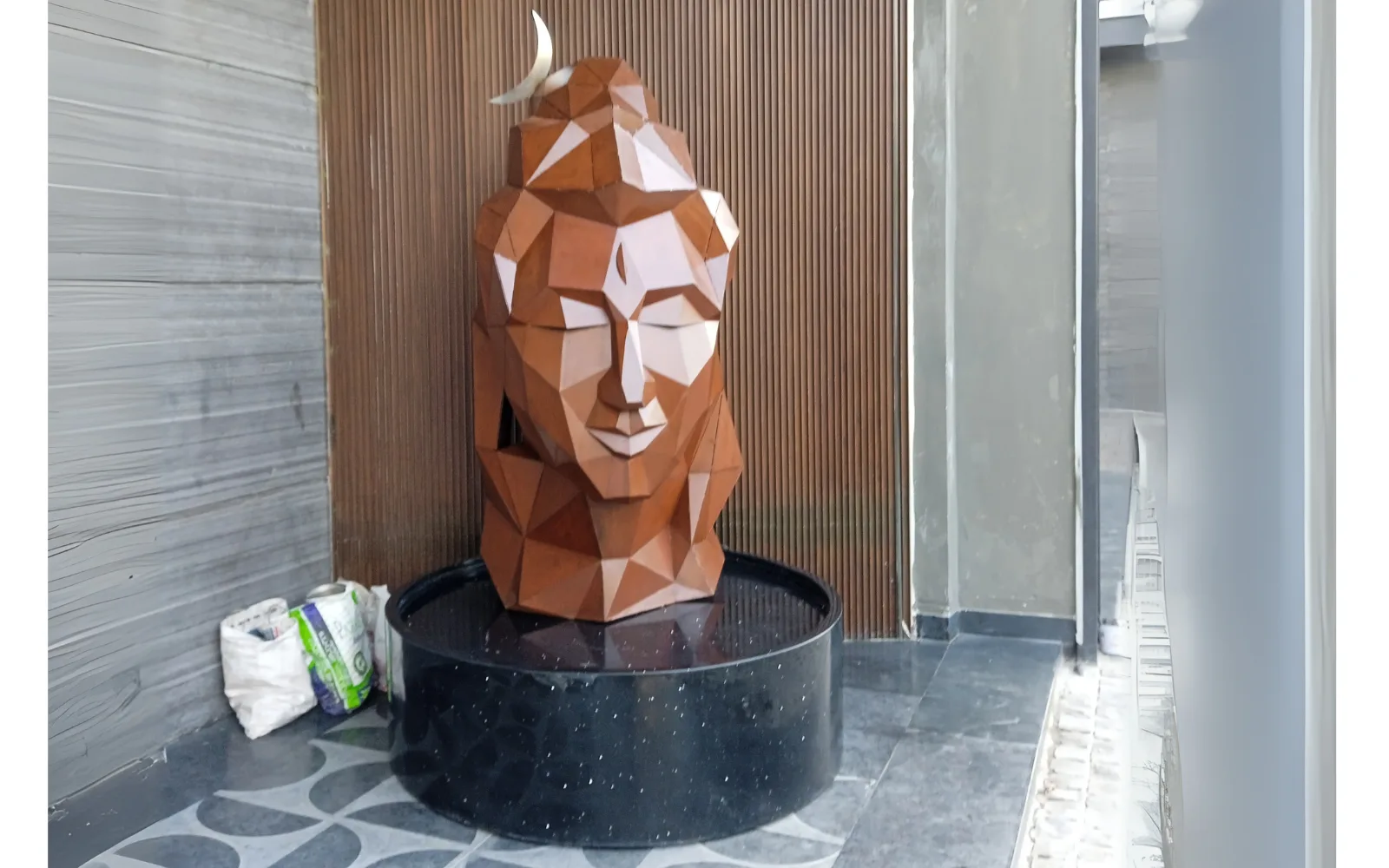
Nataraja, the cosmic dancer, is a key symbol of Lord Shiva in Hindu art. It shows the cycle of life and death. These sculptures are loved for their beauty and spiritual value.
The Cosmic Dance: Nataraja Sculptures
Nataraja sculptures show Lord Shiva dancing, representing life's cycle. The Nataraja metal sculpture is famous, known for its detailed craftsmanship. It highlights the dance's spiritual and cultural importance.
The dance of Nataraja is full of meaning. The drum in Shiva's hand is the sound of creation. The flame means destruction.
Modern Interpretations of Shiva in Metal and Steel
Today, artists use new materials like stainless steel to create Shiva sculptures. The stainless steel Shiva idol blends tradition with modern style.
These modern pieces attract both old and new fans of art. They use metal and steel for big, bold designs. For example, the Shiva art installation is seen in public places.
Symbolic Elements in Shiva Sculptures
Shiva sculptures are full of symbols with deep meanings. The cosmic dance statue often shows the damaru (drum) and agni (fire). These represent creation and destruction.
Knowing these symbols helps us appreciate Shiva sculptures more. The Mahadev modern statue keeps the tradition alive. It adds new elements while keeping the spiritual essence.
Sacred Companions: Nandi and Jatayu Sculptures
In Hinduism, figures like Nandi and Jatayu are highly respected. They are known for their loyalty and bravery. These sculptures are key to Hindu mythology and play a big role in the culture and spirituality.
Nandi: The Divine Vehicle of Lord Shiva
Nandi, the bull, is more than just a vehicle. It symbolizes strength, loyalty, and devotion to Lord Shiva. Its importance is shown in various art forms, from ancient stone carvings to modern metal sculptures.
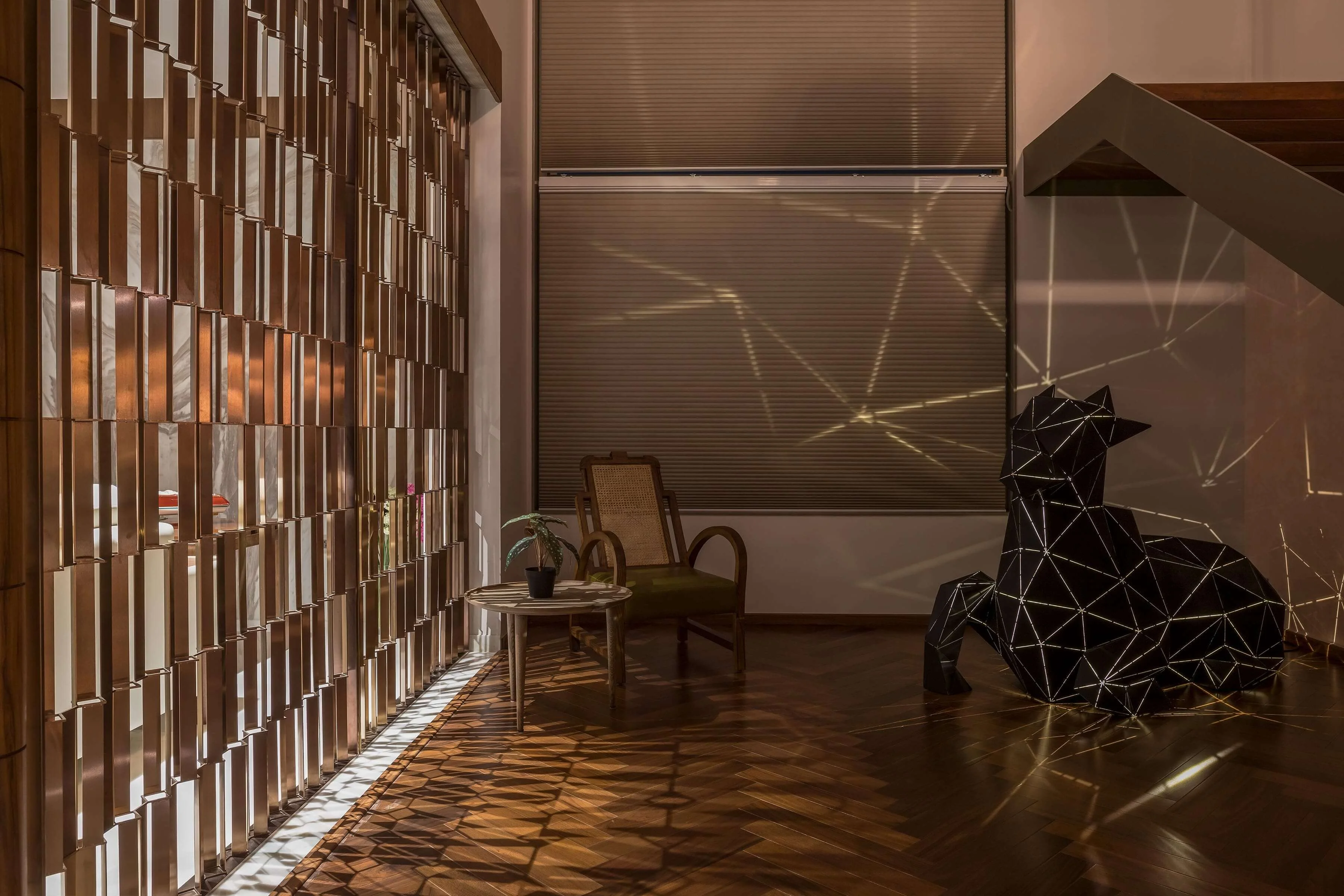
Traditional and Contemporary Nandi Representations
Traditionally, Nandi is found in Shiva temples, facing the inner sanctum. Today, it's seen in different materials and styles, making it a versatile piece in Hindu art.
- Nandi sculptures are made from stone, wood, and bronze, each adding its own value.
- Modern versions use stainless steel and corten steel , giving it a fresh look.
- The designs of Nandi vary, from detailed to abstract.
Jatayu: Heroic Bird of the Ramayana
Jatayu, a bird demi-god, is famous for trying to save Sita from Ravana. Its story shows true courage and loyalty.
Monumental Jatayu Sculptures in Modern India
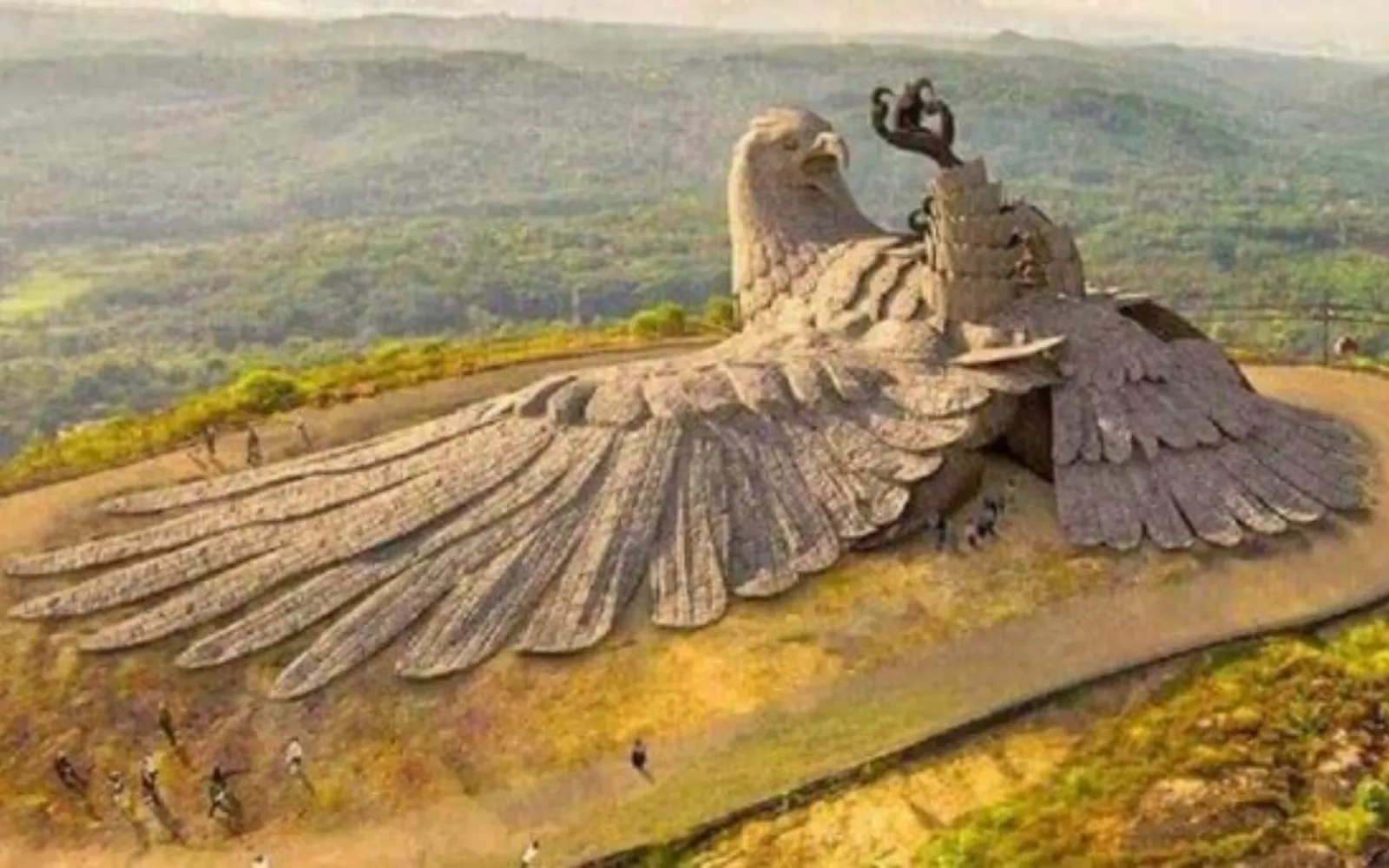
In Kerala, India, a massive Jatayu sculpture stands as a tribute to its heroism. It draws visitors from all over, celebrating Jatayu's bravery.
| Characteristics | Nandi Sculptures | Jatayu Sculptures |
|---|---|---|
| Symbolism | Strength, Loyalty, Devotion | Courage, Sacrifice, Loyalty |
| Common Materials | Stone, Bronze, Stainless Steel | Stone, Metal |
| Typical Locations | Shiva Temples | Public Spaces, Temples |
Exploring Hindu mythology through Nandi and Jatayu sculptures deepens our appreciation for their artistry and symbolism. These sacred companions are truly special.
Abstract and Contemporary Hindu God Sculptures for Modern Spaces
Modern spaces are now embracing abstract and contemporary Hindu god sculptures, redefining spiritual decor. This shift towards modernity has made Hindu sculptures more versatile and accessible to a wider audience.
Fusion of Tradition and Modernity in Religious Art
The art of creating Hindu god sculptures has evolved, blending traditional techniques with modern materials and styles. Artists are now experimenting with abstract forms and contemporary designs. This makes these sculptures suitable for modern homes and gardens.
This fusion is not just about aesthetics; it's also about creating pieces that resonate with the spiritual sensibilities of the modern individual. For instance, a minimalist divine art piece can be a focal point in a contemporary living room. It adds a touch of spirituality to the decor.
Incorporating Divine Sculptures in Home and Garden Decor
Incorporating divine sculptures into home and garden decor has become a popular trend. These sculptures not only add a spiritual dimension to the space but also serve as beautiful decorative pieces. When choosing a sculpture, consider the material, size, and design to ensure it complements the existing decor.
| Material | Characteristics | Ideal Placement |
|---|---|---|
| Bronze | Durable, classic look | Indoor, near entrance or living room |
| Stainless Steel | Modern look, resistant to corrosion | Outdoor, garden or patio |
| Stone | Natural look, long-lasting | Both indoor and outdoor |
Commissioning Custom Hindu Sculpture Art
For those looking for a more personalized touch, commissioning custom Hindu sculpture art is a viable option. Artists can work with clients to create custom Hindu art commissions that reflect their personal or spatial needs.
This process allows for a deep connection between the artwork, the space it occupies, and the individual. Whether it's a modern deity statue for a garden or a deity artwork for gardens, custom commissions offer endless possibilities.
By embracing contemporary Hindu god sculptures, we not only enrich our living spaces but also keep the tradition of Hindu spiritual decor alive. These sculptures serve as a bridge between the past and the present, making spirituality more accessible and tangible in our daily lives.
Conclusion
Exploring Hindu god sculptures reveals a deep connection to our spiritual roots. These pieces, filled with temple sculpture art and inspired by Hinduism, connect us to the divine and our cultural heritage.
The detailed craftsmanship and symbols in metal art sculpture from India and spiritual modern art deepen our respect for the gods. These sculptures, whether traditional or modern, help us understand religious art better.
By embracing both old and new Hindu sculpture art, we enter a world of spiritual and artistic appreciation. Adding these divine sculptures to our spaces reminds us of art's power to elevate and connect us to the divine.
FAQ
What is the significance of Hindu god sculptures in Indian culture?
Hindu god sculptures are more than just images. They hold spiritual value, showcase great craftsmanship, and capture the heart of Hinduism. They help people connect with the divine.
What materials are traditionally used to create Hindu god sculptures?
Traditionally, stone, wood, and bronze are used. Each material has its own symbolism, reflecting Hinduism's rich heritage.
How have Hindu sculptural traditions evolved over the centuries?
Hindu sculptural traditions have changed a lot. They've been shaped by dynasties, cultural exchanges, and new artistic ideas. This evolution has created a diverse and lively art scene that still inspires today.
What is the significance of Nandi and Jatayu sculptures in Hindu mythology?
Nandi, the bull, is Shiva's vehicle, symbolizing strength and loyalty. Jatayu, the bird, is a hero from the Ramayana, known for bravery. Both are often seen in sculptures with main deities.
Can Hindu god sculptures be customized for modern spaces?
Yes, Hindu god sculptures can be tailored for today's homes. Artists blend old techniques with new ideas, making these sculptures both beautiful and thought-provoking. This makes the divine more present in our lives.
What is the role of abstract and contemporary Hindu god sculptures in modern decor?
Abstract and modern Hindu god sculptures are now part of home decor. They let people connect with their spiritual roots in a modern way. This mix of old and new adds a unique touch to spaces.
Are stainless steel and corten steel used in creating Hindu god sculptures?
Yes, stainless steel and corten steel are used in modern Hindu god sculptures. They offer new ways to express art and last long, keeping the spiritual essence alive.
How do Lord Shiva sculptures, particularly Nataraja, represent the divine?
Lord Shiva sculptures, like Nataraja, show Shiva's dynamic and complex nature. They symbolize creation and destruction. Their detailed and expressive designs capture Shiva's dance.
Explore More From FormForge
View Our Portfolio
Explore our complete collection of metal sculptures and installations created for temples, homes, and commercial spaces worldwide.
Custom Sculptures
Get a custom god idol designed specifically for your space. Our team will help bring your vision to life with premium materials.
Related Articles

Luxury God Idols & Deity Statues | Stainless Steel, Brass & Corten Steel Collection
Explore Luxury God Idols & Hindu Deity Statues in Stainless Steel, Brass & Corten Steel. Discover custom-crafted Ganesha, Krishna, and Buddha sculptures available in antique, mirror-polished, and natural rust finishes. Designed to be weather-resistant and enduring, our religious idols are ideal for home temples, gardens, and monumental installations.
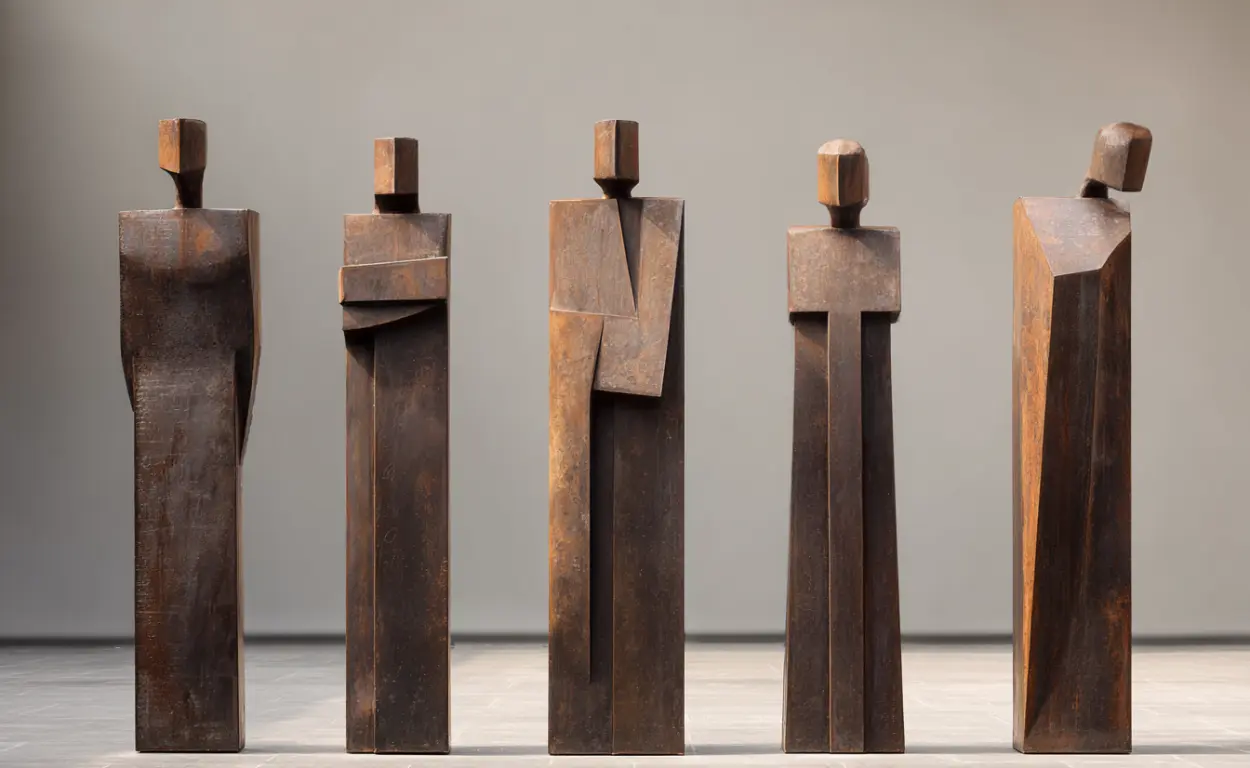
Outdoor Sculptures in Metal: The Complete Guide to Architectural & Site-Specific Installations
Explore the definitive guide to high-end outdoor sculptures in metal. Learn how corten steel, stainless steel, and bronze installations are designed, commissioned, and built for luxury residences, commercial developments, and public spaces — with Formforge's site-specific approach.