Parametric Furniture: Inspiring Furniture Design Ideas

Parametric Furniture: Inspiring Furniture Design Ideas
Parametric furniture represents a fascinating intersection of technology and craftsmanship, offering a glimpse into the future of furniture design. This innovative approach leverages computational design and parametric modeling to create pieces that are not only aesthetically striking but also structurally sound and often, surprisingly sustainable. Exploring parametric furniture opens up a world of possibilities for interior design and architectural expression.
Understanding Parametric Design in Furniture
What is Parametric Design?
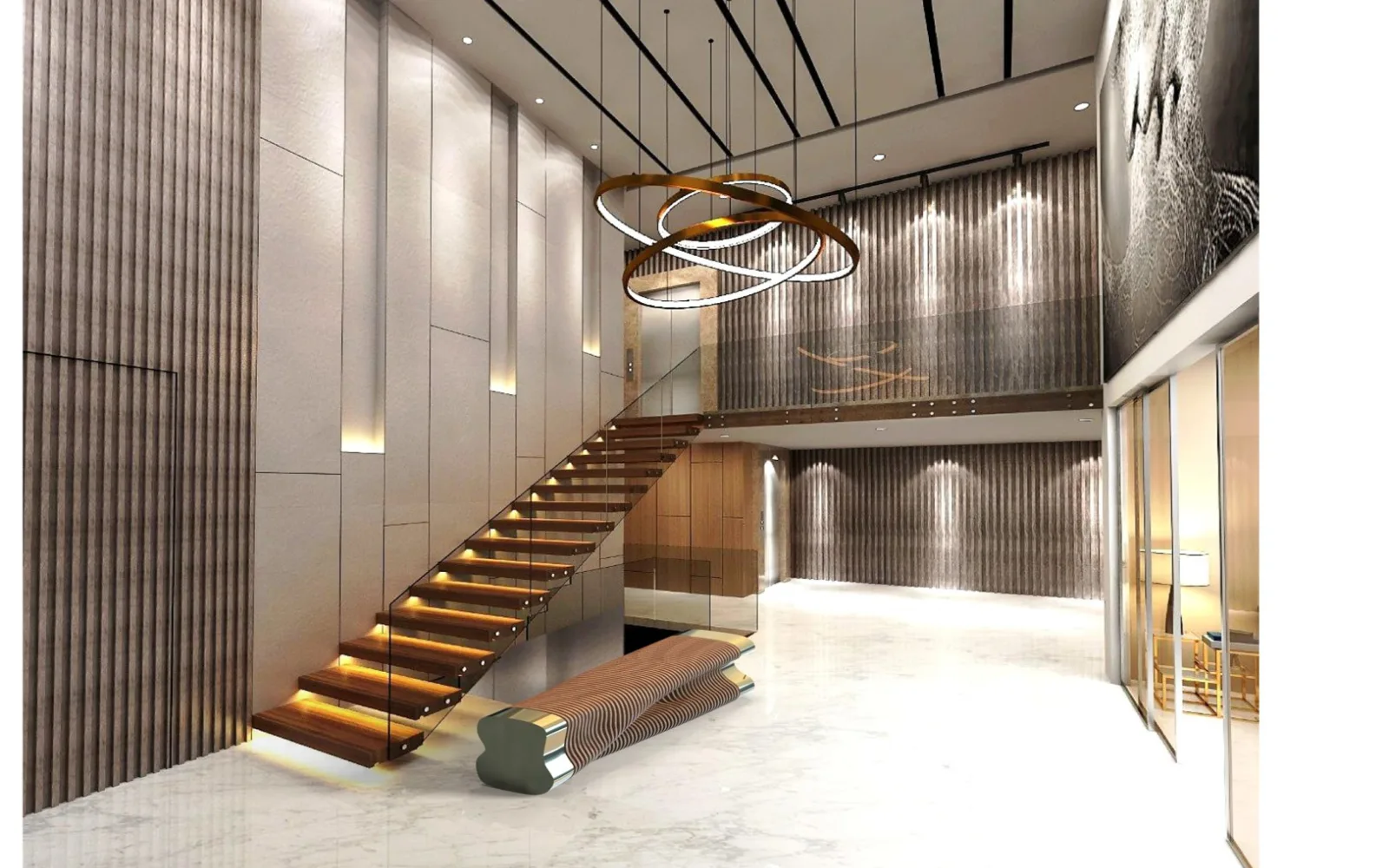
Parametric design, at its core, is a design process driven by algorithms and parameters. Instead of manually crafting every detail, designers define rules and relationships that govern the geometry of the furniture. This allows for the rapid creation of variations and intricate designs, which can be easily adjusted by modifying the input parameters. The beauty of using parametric design lies in its ability to generate complex forms with relative ease, opening up new avenues for furniture design and aesthetic expression.
The Role of Innovation in Parametric Furniture
Innovation is the lifeblood of parametric furniture. The use of parametric design tools, coupled with advanced fabrication techniques like CNC machining and 3D printing, allows designers to push the boundaries of what's possible. Modern parametric furniture often features sculptural curves, geometric patterns, and intricate details that would be difficult or impossible to achieve through traditional methods. Architects and designers, inspired by visionaries like Hadid, are constantly using parametric design to create new designs that are both functional and visually stunning.
Benefits of Parametric Design in Interior Spaces
Parametric furniture can be tailored to fit specific spaces, optimizing its use to enhance interior design. The ability to control the geometry and structural properties of furniture allows designers to create pieces that are lightweight, strong, and even sustainable. The use of parametric design can lead to the creation of visually engaging and functional environments, enhancing the overall experience of interior spaces. Examples of parametric furniture in architectural contexts include the parametric bench and parametric chair.
Exploring Modern Parametric Furniture

Stylish Parametric Chairs and Benches
Modern parametric furniture often includes eye-catching parametric chairs and parametric bench designs. Designers leverage computational design to create ergonomic and aesthetically pleasing seating solutions. Using parametric design, they can optimize the structural integrity and comfort of the furniture. Exploring parametric options for chairs and benches reveals a wide range of styles, from minimalist to sculptural, each demonstrating the power of parametric design tools and generative design.
Geometric Patterns in Parametric Furniture
Geometric patterns are a signature element of modern parametric furniture. The use of parametric design allows for intricate pattern creation. Designers can generate complex and visually striking geometric designs that add depth and texture to furniture pieces. These patterns, often inspired by natural forms or mathematical principles, showcase the potential of using parametric design to create unique furniture designs. The geometric patterns can add texture to wooden furniture too.
The Sculptural Nature of Modern Parametric Designs
Architects and designers are using parametric design to create furniture that doubles as art. These sculptural pieces often feature sweeping curves, fluid forms, and intricate details, pushing the boundaries of furniture design. Exploring parametric designs reveals a new level of artistic expression in furniture, enhancing interior design with its unique forms and aesthetic appeal.
Techniques and Tools in Parametric Furniture Creation
Parametric Modelling Software for Designers
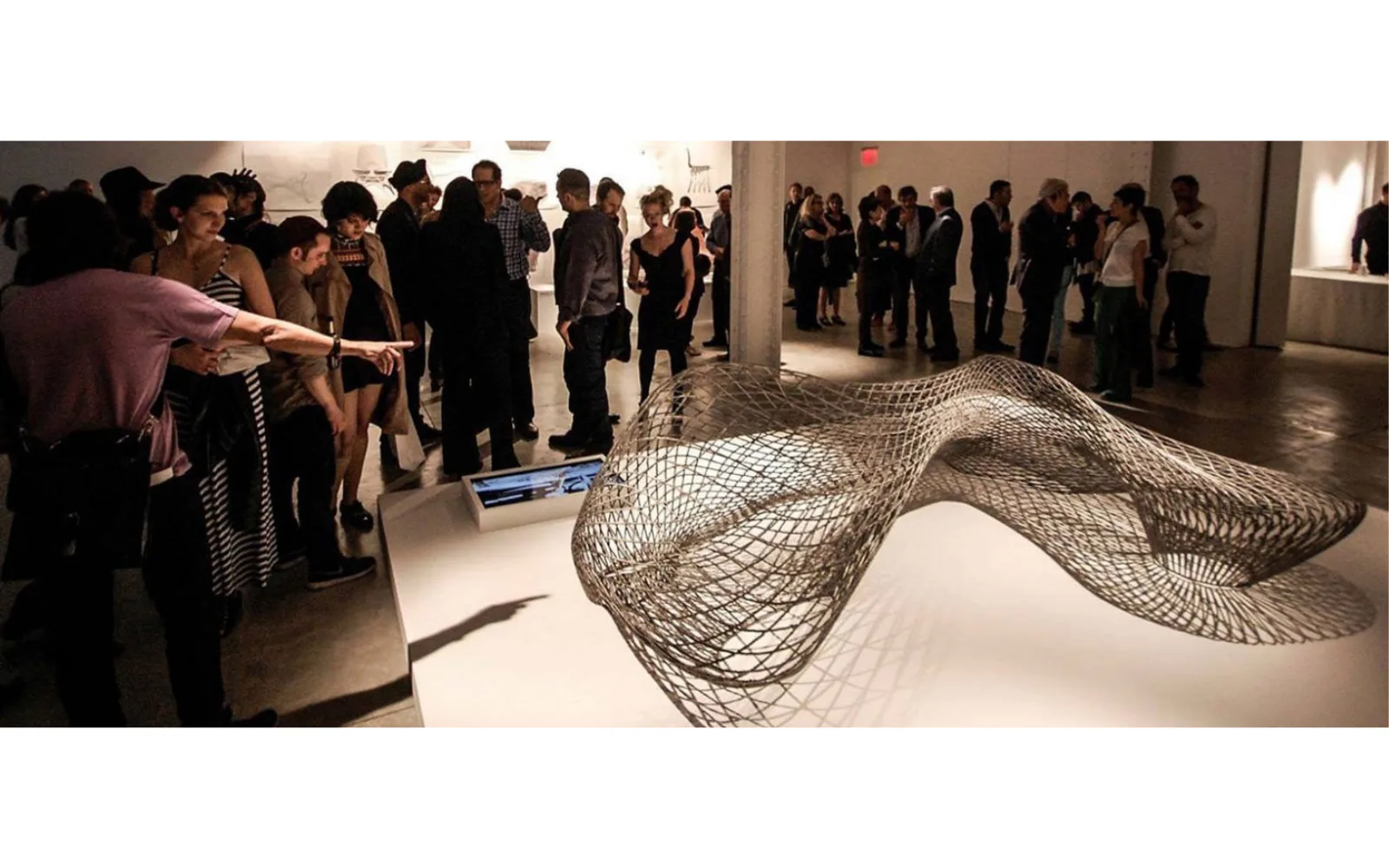
Parametric modelling software is essential for designers working with parametric furniture. These tools enable the creation of complex geometries and the definition of parametric relationships. Designers can use parametric design to manipulate variables and create multiple design variations with ease. The software also facilitates the optimization of designs for structural performance and fabrication, streamlining the design process and enhancing creativity. These innovative softwares are essential for exploration in parametric design.
CNC Machining in Parametric Furniture Production
CNC machining plays a crucial role in parametric furniture production. Once a parametric design is finalized, CNC machines can precisely cut and shape the components from various materials, like wood, metal, or plastic. This ensures accurate execution of the intricate geometric patterns and curves that characterize parametric furniture. The use of CNC machining allows for efficient and cost-effective fabrication, bringing complex digital designs to life in the real world and into architectural and interior spaces.
3D Printing: The Future of Furniture Design
3D printing is rapidly emerging as a transformative technology in furniture design, particularly for parametric furniture. This innovative fabrication method allows for the creation of complex, customized furniture pieces with minimal material waste. Exploring parametric design with 3D printing opens up new possibilities for personalized and sustainable furniture design. As 3D printing technology advances, it promises to revolutionize the way we design, manufacture, and experience furniture in our interior spaces, with a potential to create new designs.
Materials Used in Parametric Furniture
Wooden Furniture: Plywood vs. Walnut in Design
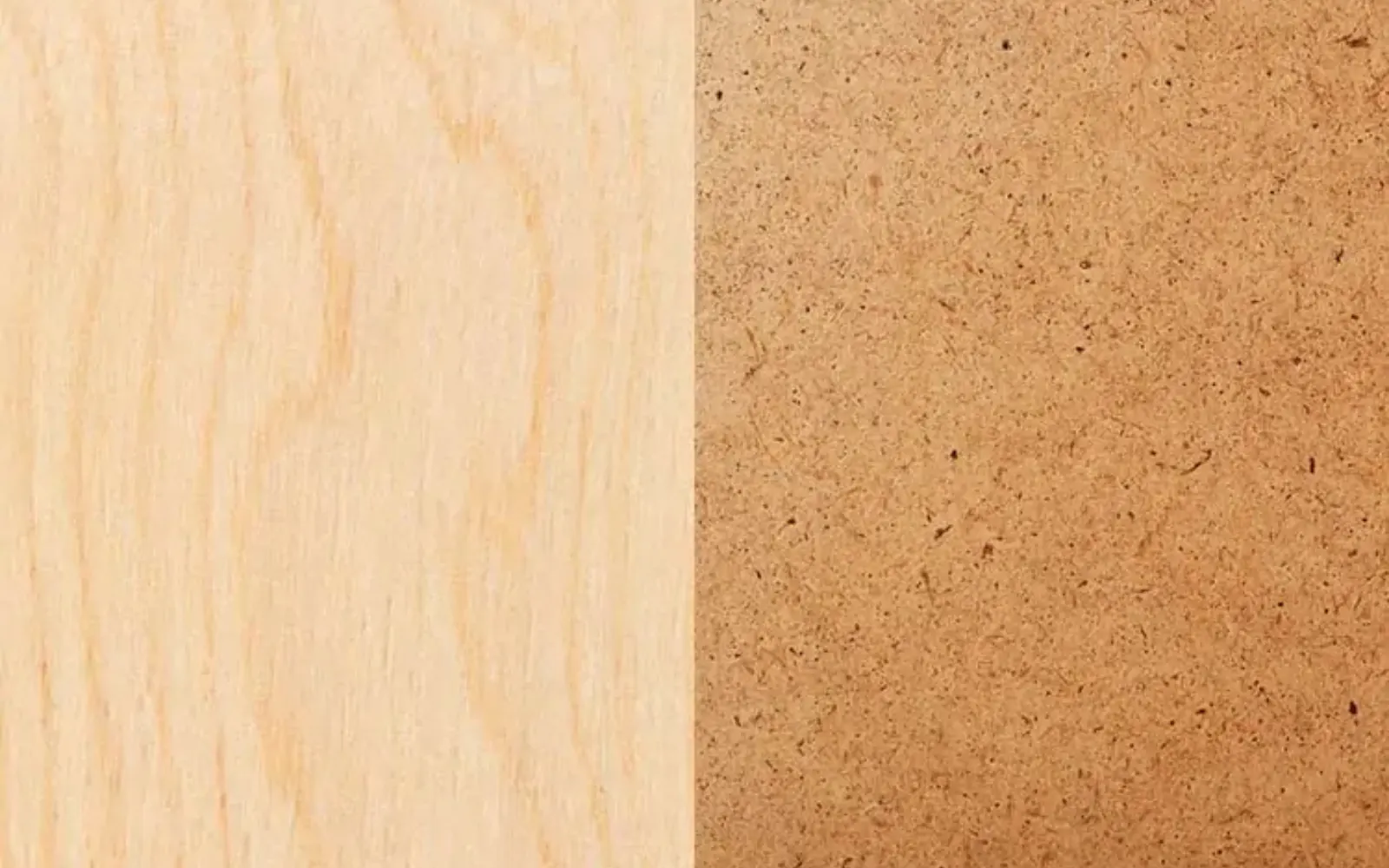
The choice greatly influences the aesthetic and structural properties of the final piece of modern parametric furniture. When creating wooden furniture, designers often choose between plywood and walnut, each offering distinct qualities for parametric furniture design. Plywood is valued for its strength, stability, and cost-effectiveness, making it ideal for complex geometric designs achievable through parametric modelling. In contrast, walnut brings a touch of elegance and warmth with its rich color and grain, making it perfect for designs that prioritize aesthetic appeal and structural integrity.
Laser Cutting Techniques for Precision
Laser cutting is a vital technique in parametric furniture fabrication. This precise method allows designers to execute intricate patterns and curves with exceptional accuracy. The use of parametric modelling software enables designers to create complex digital designs, which are then translated into precise cutting paths for the laser cutter. This process ensures that each component fits together seamlessly, resulting in a high-quality, aesthetically pleasing piece of parametric furniture and offers a great opportunity for innovation.
Combining Minimalist Aesthetics with Parametric Designs
Combining minimalist aesthetics with parametric furniture designs creates a harmonious balance between form and function. Designers can leverage parametric design tools to create furniture pieces that are both visually striking and understated. The focus is on clean lines, simple geometric forms, and a careful selection of materials, such as using parametric design to complement a minimalist interior. This approach results in furniture that seamlessly integrates into modern interior spaces, enhancing the overall aesthetic without overwhelming the space. A parametric bench or parametric chair would be a great addition.
Inspiration for Your Interior with Parametric Furniture

Creating Acoustic Spaces with Parametric Solutions
Parametric solutions offer innovative ways to create acoustic spaces. By using parametric modelling, architects and designers can develop furniture and wall panels with optimized sound-absorbing properties. The intricate geometric patterns and curves, achievable through parametric design tools, can effectively diffuse and absorb sound waves, reducing echo and reverberation. These parametric designs are particularly useful in open-plan offices, concert halls, and home theaters, enhancing acoustic experience.
Integrating Parametric Bookshelves in Modern Interiors
Integrating parametric bookshelves in modern interiors adds a touch of sculptural elegance and functional storage. Designers can use parametric modelling to create bookshelves with unique shapes and configurations, tailored to fit specific spaces. The intricate geometric patterns and curves, a signature of parametric furniture, can transform a simple bookshelf into a stunning focal point. These bookshelves not only provide ample storage but also enhance the overall aesthetic of the interior design, making the interior space more welcoming and interesting.
Curves and Lines: The Art of Parametric Patterns
The art of parametric patterns lies in the interplay of curves and lines, creating visually captivating designs. Designers can use parametric design to generate complex geometric patterns that evoke a sense of movement and rhythm. These patterns can be applied to various furniture pieces, from chairs and tables to wall panels and lighting fixtures. The use of parametric design tools allows for endless possibilities, pushing the boundaries of furniture design and aesthetic expression and creating new designs.
FAQs
What is Parametric Design in Furniture?
Parametric design in furniture involves using algorithms and parameters to define the geometry of pieces, allowing for complex, customizable designs that are easily adjustable and optimized for aesthetics and functionality.
What Are the Benefits of Parametric Furniture?
Parametric furniture offers tailored designs for specific spaces, lightweight yet strong structures, sustainability, and visually engaging aesthetics, enhancing interior spaces with innovative forms.
What Tools Are Used in Parametric Furniture Design?
Designers use parametric modeling software, CNC machining, and 3D printing to create and fabricate parametric furniture, enabling precise execution of complex geometries and patterns.
What Materials Are Common in Parametric Furniture?
Common materials include plywood for strength and cost-effectiveness, walnut for elegance, and other materials like metal or plastic, often shaped using laser cutting or 3D printing for precision.
How Does Parametric Furniture Enhance Interior Spaces?
Parametric furniture enhances interiors through custom-fit designs, sculptural aesthetics, and functional solutions like acoustic panels or bookshelves, creating visually striking and practical environments.
Where Can I Find Parametric Furniture?
Parametric furniture can be found through specialized design studios, online platforms focusing on modern furniture, or custom commissions from designers using parametric tools and fabrication techniques.
Explore More From FormForge
View Our Portfolio
Explore our complete collection of metal sculptures and installations created for temples, homes, and commercial spaces worldwide.
Custom Sculptures
Get a custom god idol designed specifically for your space. Our team will help bring your vision to life with premium materials.
Related Articles

Luxury God Idols & Deity Statues | Stainless Steel, Brass & Corten Steel Collection
Explore Luxury God Idols & Hindu Deity Statues in Stainless Steel, Brass & Corten Steel. Discover custom-crafted Ganesha, Krishna, and Buddha sculptures available in antique, mirror-polished, and natural rust finishes. Designed to be weather-resistant and enduring, our religious idols are ideal for home temples, gardens, and monumental installations.
Outdoor Sculptures in Metal: The Complete Guide to Architectural & Site-Specific Installations
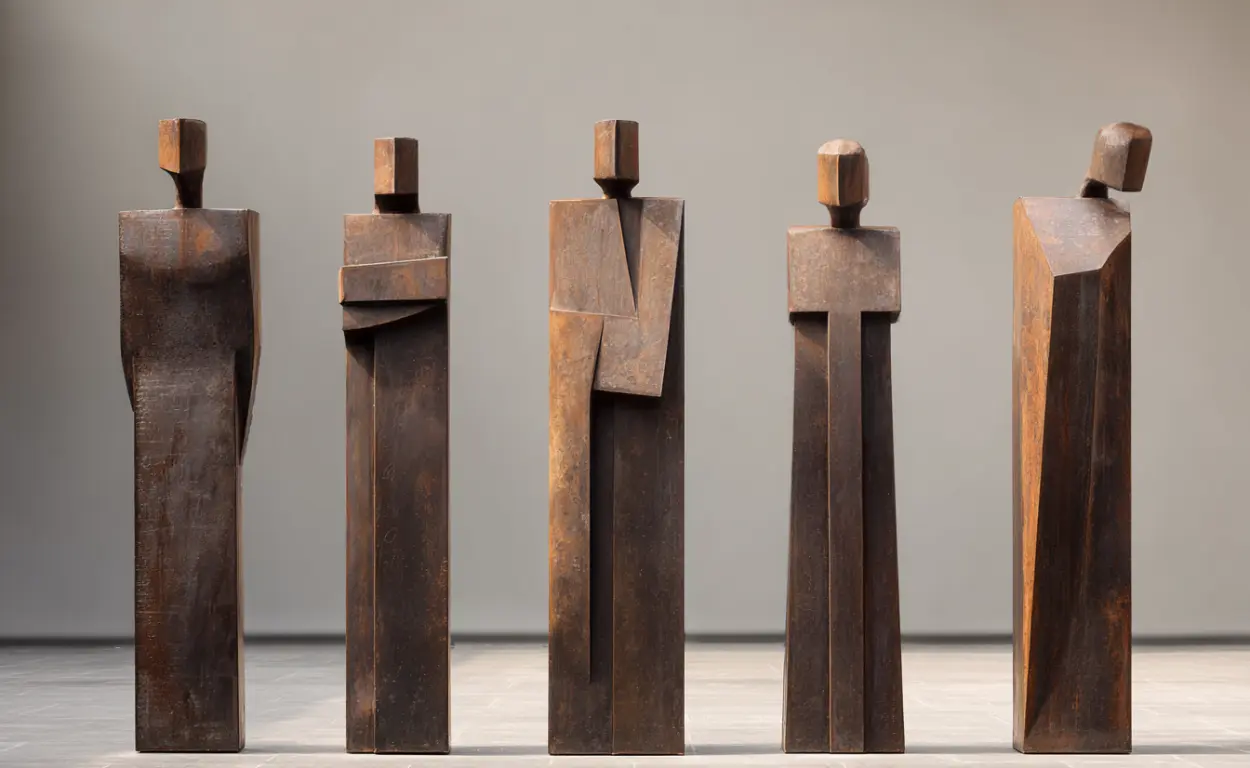
Explore the definitive guide to high-end outdoor sculptures in metal. Learn how corten steel, stainless steel, and bronze installations are designed, commissioned, and built for luxury residences, commercial developments, and public spaces — with Formforge's site-specific approach.