Public Art in the Modern City: How Large-Scale Metal Sculptures Shape Urban Identity | FormForge 2025

The Evolution of Public Art
From Ornament to Urban Narrative
In the past, art in public spaces served a commemorative or decorative purpose — statues in roundabouts, fountains in plazas, murals on civic walls. But 21st-century cities demand more. Today, public art acts as narrative infrastructure, telling stories of community, ecology, and innovation.
Modern public sculptures are designed as experiences that evolve with time and light. They frame sightlines, influence pedestrian flow, and offer citizens a sense of identity. The collaboration between architects, landscape designers, and public art design studios has redefined how cities look and feel.
FormForge by Abhinav Goyal approaches every site as a story waiting to be materialized. Through a blend of digital design, parametric modeling, and precision fabrication, each project becomes a dialogue between space, scale, and sensation.
Art for Everyone: Democratizing Space
Museums may curate audiences, but public art democratizes beauty. It belongs to everyone — commuters, children, travelers, and residents alike. A public sculpture in a city square is not confined by walls; it is touched by sunlight, rain, and the rhythm of human life.
This inclusivity is central to FormForge’s practice. Each piece is designed to evoke curiosity, invite reflection, and remain timeless. From corporate campuses and luxury developments to government plazas, the studio’s installations bridge artistic intent and public accessibility.
Why Metal is the Medium of the Modern City
Corten Steel: The Poetics of Weathering
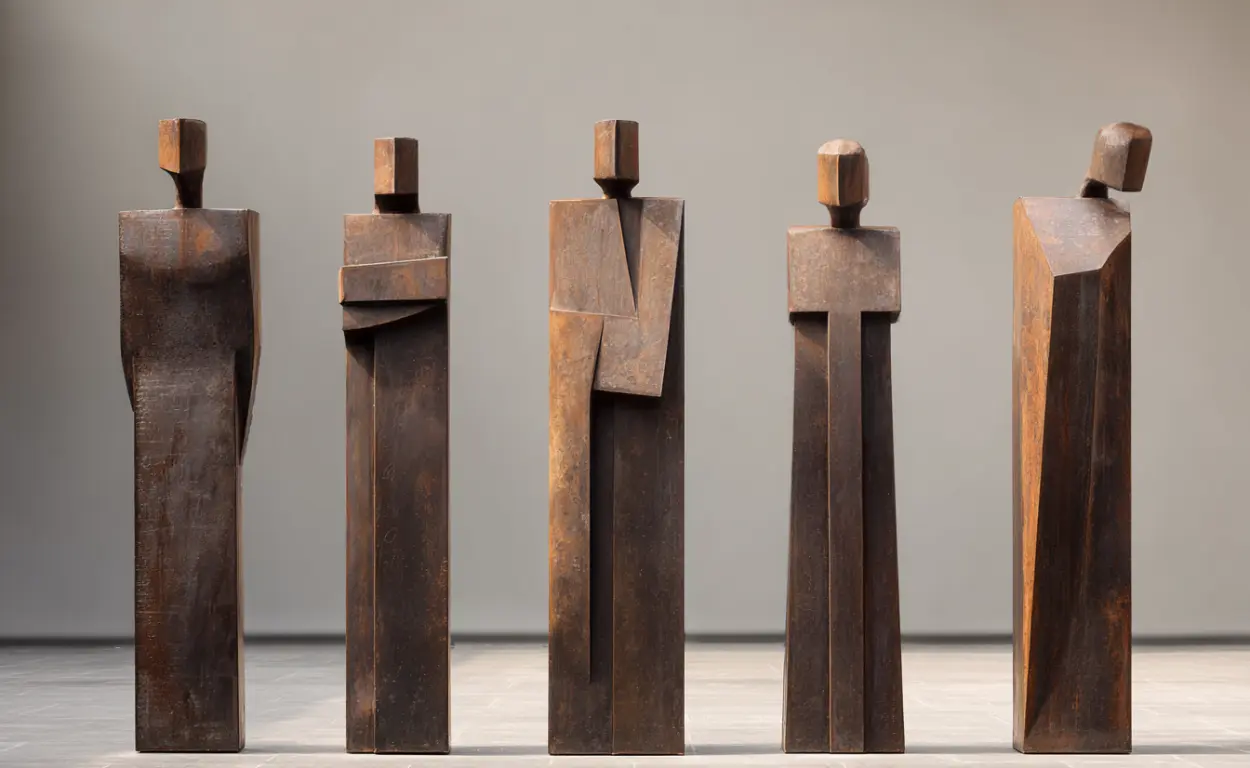
Corten steel sculptures embody time. Their rich patina, formed through controlled oxidation, creates a living surface that deepens with age. The material resists corrosion while embracing weather as a collaborator, not an enemy.
Its earthy tones harmonize with natural and urban materials — sandstone, concrete, wood, and glass — making corten a favorite among architects seeking organic warmth in contemporary settings. Whether rising in a plaza or spreading across a landscape, it connects the built environment to nature’s cycles.
Stainless Steel: The Mirror of the City
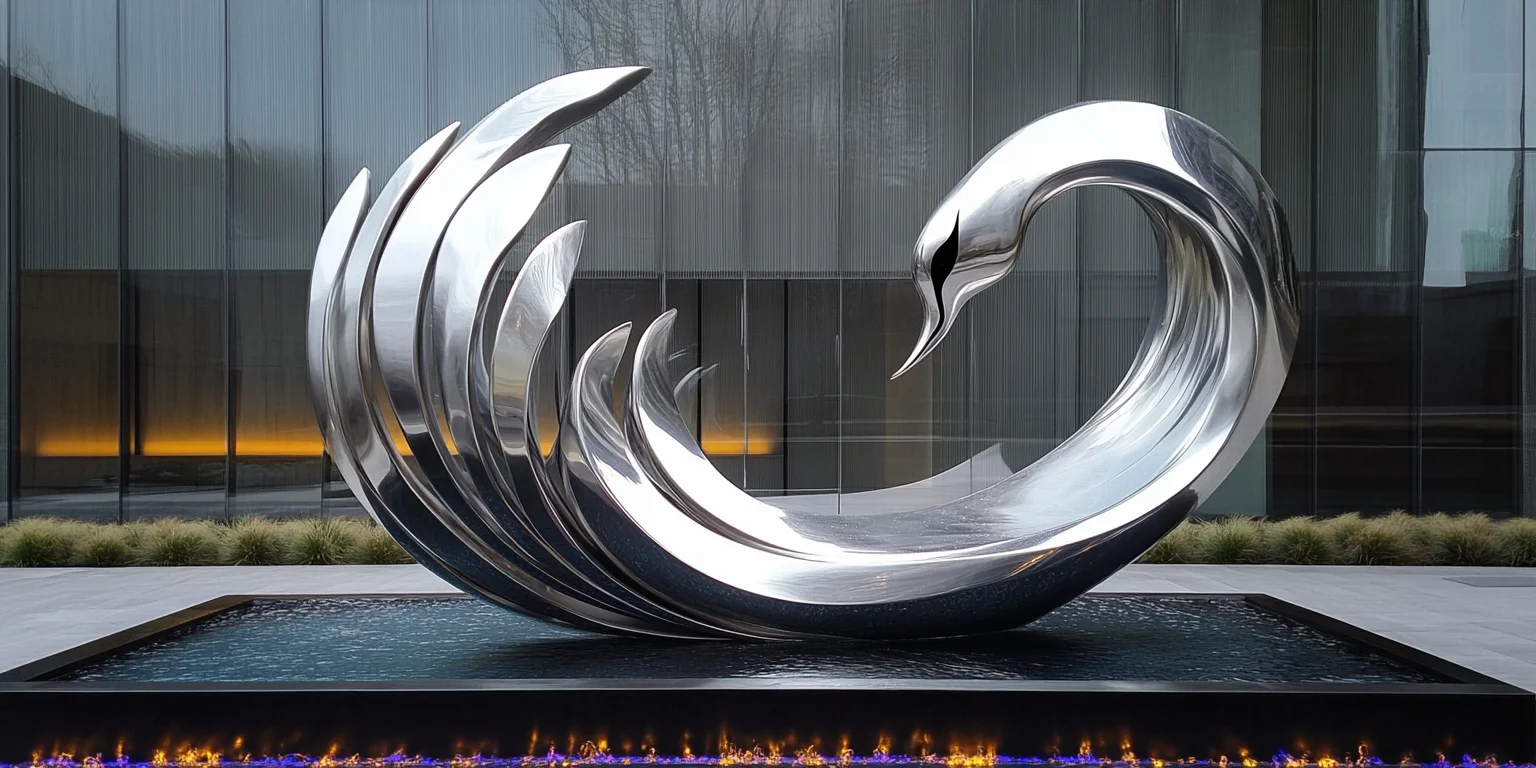
Stainless steel sculptures speak of progress, clarity, and light. Their reflective surfaces multiply the cityscape, allowing viewers to see themselves within the art. This interactivity creates a personal connection between object and observer.
In corporate lobbies, airport terminals, and urban parks, stainless steel installations become ever-changing canvases — reflecting sky, architecture, and people. The material symbolizes precision and permanence, echoing the ethos of contemporary cities.
FormForge’s expertise in mirror polishing, metal bending, and seamless welding ensures that each reflective surface maintains depth, detail, and proportion even at monumental scale.
Public Art and Urban Identity
Cultural Symbolism and Memory
Cities are remembered through icons. Public art gives them those icons — enduring forms that become shorthand for place and purpose. In India, Corten steel totems rising from plazas and stainless steel monoliths anchoring landscapes are fast becoming new symbols of urban identity.
FormForge integrates contextual storytelling into design. A sculpture for a tech campus may represent innovation through geometry; a piece for a public park might embody harmony with nature. Each project begins with research into the cultural and geographic DNA of its site, ensuring that every installation feels inevitable rather than imposed.
Civic Engagement and Belonging
Public sculptures connect people to place. They offer physical touchpoints for memory — spaces to meet, photograph, and celebrate. As social media amplifies visibility, these works become shared digital symbols as well as physical ones, promoting tourism and local pride.
Studies show that cities investing in public art see higher visitor retention, enhanced pedestrian engagement, and improved perceptions of safety and community. For civic planners and developers, sculpture has become both a cultural and economic strategy.
Inside the FormForge Process
1. Understanding Space and Vision
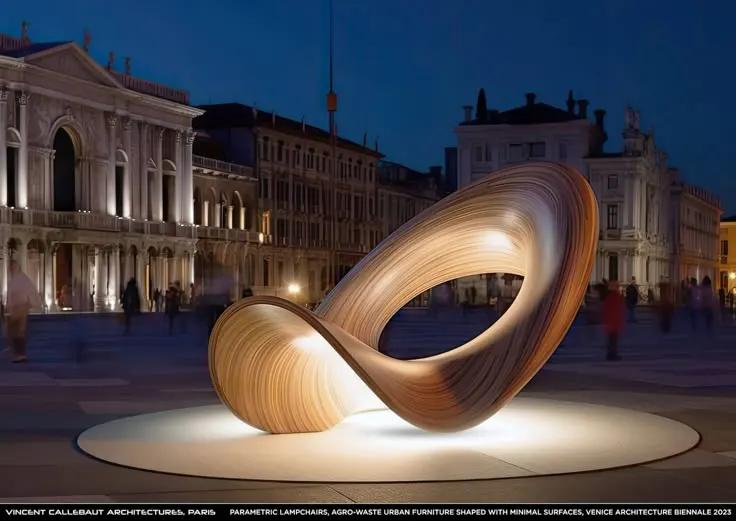
Every commission begins with intent. Is the sculpture meant to inspire, commemorate, or invite reflection? The design team at FormForge studies site geometry, visibility corridors, pedestrian movement, and climatic factors to ensure the sculpture integrates naturally.
2. Concept Creation and Digital Design
Using Rhino, Grasshopper, and parametric tools, conceptual sketches evolve into precise 3D models. The goal is to explore form, proportion, and light through simulation. Renderings help clients visualize how the sculpture interacts with surrounding architecture, landscaping, and the sky itself.
3. Engineering and Fabrication
Large-scale installations must withstand time, weather, and public interaction. Structural engineering is therefore integral. FormForge collaborates with consultants to run finite element analysis (FEA), optimizing load distribution and material thickness.
The sculpture is then CNC laser-cut, folded, welded, and assembled using jigs for millimeter precision. Artisans refine every surface by hand, blending digital accuracy with tactile skill.
4. Surface Treatment and Finishing
Finish defines feeling. Corten pieces undergo controlled oxidation and sealing; stainless steel works are mirror-polished, brushed, or bead-blasted depending on concept. Protective coatings and marine-grade finishes ensure durability in harsh climates, from humid coasts to desert heat.
5. Installation and Integration
Installation is a choreography of precision. Each section is transported in modular form, assembled on-site with cranes and rigging systems, and anchored using concealed structural foundations. Lighting design is incorporated to enhance depth and shadow play at night, turning the sculpture into a glowing focal point.
Public Art as an Economic and Social Catalyst
Corporate and Institutional Impact
For corporations, commissioning sculpture communicates innovation and permanence. A reflective stainless steel form at a headquarters entrance or a Corten steel installation in a tech campus courtyard becomes a statement of vision.
Universities, museums, and city councils use public art to articulate identity and foster pride. These installations serve as meeting points, storytelling anchors, and visual signatures.
Scale, Emotion, and Memory
Size alone does not define impact. The emotional weight of a sculpture comes from how it relates to the human body and to its surroundings. FormForge studies psychological scale to ensure that each installation commands attention without intimidation.
A sculpture’s surface curvature, internal voids, and rhythm determine how light dances across it and how people move around it. In this choreography between scale and perception lies the essence of timeless public art.
The Future of Public Art in India
India’s urban renaissance is reshaping its visual culture. Smart city programs, architectural exhibitions, and international collaborations are driving investment in public art and sculpture fabrication.
Future cities will merge sustainability, interactivity, and digital intelligence. Imagine kinetic sculptures that respond to wind, LED-integrated artworks that change color with ambient noise, or recycled metal installations that champion environmental consciousness.
FormForge envisions itself as a catalyst in this evolution — combining digital design, advanced manufacturing, and conceptual depth to create installations that feel both futuristic and timeless.
Conclusion: Sculpting the Spirit of the City
Public art is the soul of urban design. It transforms infrastructure into identity and metal into memory. Through scale, reflection, and storytelling, it turns anonymous spaces into places of belonging.
Every large-scale sculpture created by FormForge by Abhinav Goyal is an act of translation — from material to meaning, from geometry to emotion. Each piece carries the narrative of its city: its resilience, its creativity, and its aspiration.
As India and the world move toward a future of experiential, sustainable, and emotionally intelligent cities, public art will remain the silent architect of their character.
FormForge’s work stands as proof that sculpture is not decoration; it is dialogue. It is how cities speak — and how generations listen.
Frequently Asked Questions
What defines a successful public art installation?
A successful public sculpture integrates with its site, evokes emotion, invites interaction, and endures over time. It must speak to both local identity and universal themes while being structurally sound and low-maintenance.
How long does it take to create a large-scale public sculpture?
From concept to installation, projects typically take 12–24 weeks depending on scale, complexity, and approvals. Digital design and modular fabrication accelerate the timeline without compromising quality.
Is public art durable in Indian weather conditions?
Yes. Corten steel forms a protective patina; stainless steel is corrosion-resistant. FormForge uses marine-grade materials and structural anchoring to withstand monsoon, heat, and pollution.
Can public sculptures include lighting or interactivity?
Absolutely. FormForge integrates LED systems, motion sensors, and kinetic elements to create dynamic nighttime experiences and responsive installations that engage passersby.
Who funds public art projects in India?
Funding comes from municipal corporations, real estate developers, corporate CSR programs, government cultural initiatives, and public-private partnerships. FormForge assists with grant applications and budget planning.
Do you handle civic approvals and permissions?
Yes. FormForge manages structural certifications, environmental impact assessments, and municipal approvals to ensure smooth project execution from concept to unveiling.
Can existing designs be adapted for new locations?
Yes. FormForge adapts proven concepts to new sites through site-specific redesign, ensuring each installation remains unique while maintaining artistic integrity.
Explore More From FormForge
View Our Portfolio
Explore our complete collection of metal sculptures and installations created for temples, homes, and commercial spaces worldwide.
Custom Sculptures
Get a custom god idol designed specifically for your space. Our team will help bring your vision to life with premium materials.
Related Articles

Luxury God Idols & Deity Statues | Stainless Steel, Brass & Corten Steel Collection
Explore Luxury God Idols & Hindu Deity Statues in Stainless Steel, Brass & Corten Steel. Discover custom-crafted Ganesha, Krishna, and Buddha sculptures available in antique, mirror-polished, and natural rust finishes. Designed to be weather-resistant and enduring, our religious idols are ideal for home temples, gardens, and monumental installations.
Outdoor Sculptures in Metal: The Complete Guide to Architectural & Site-Specific Installations
Explore the definitive guide to high-end outdoor sculptures in metal. Learn how corten steel, stainless steel, and bronze installations are designed, commissioned, and built for luxury residences, commercial developments, and public spaces — with Formforge's site-specific approach.