Why Architects Are Turning to Metal Sculptures for Modern Spaces | FormForge 2025

The Architectural Turn Toward Art
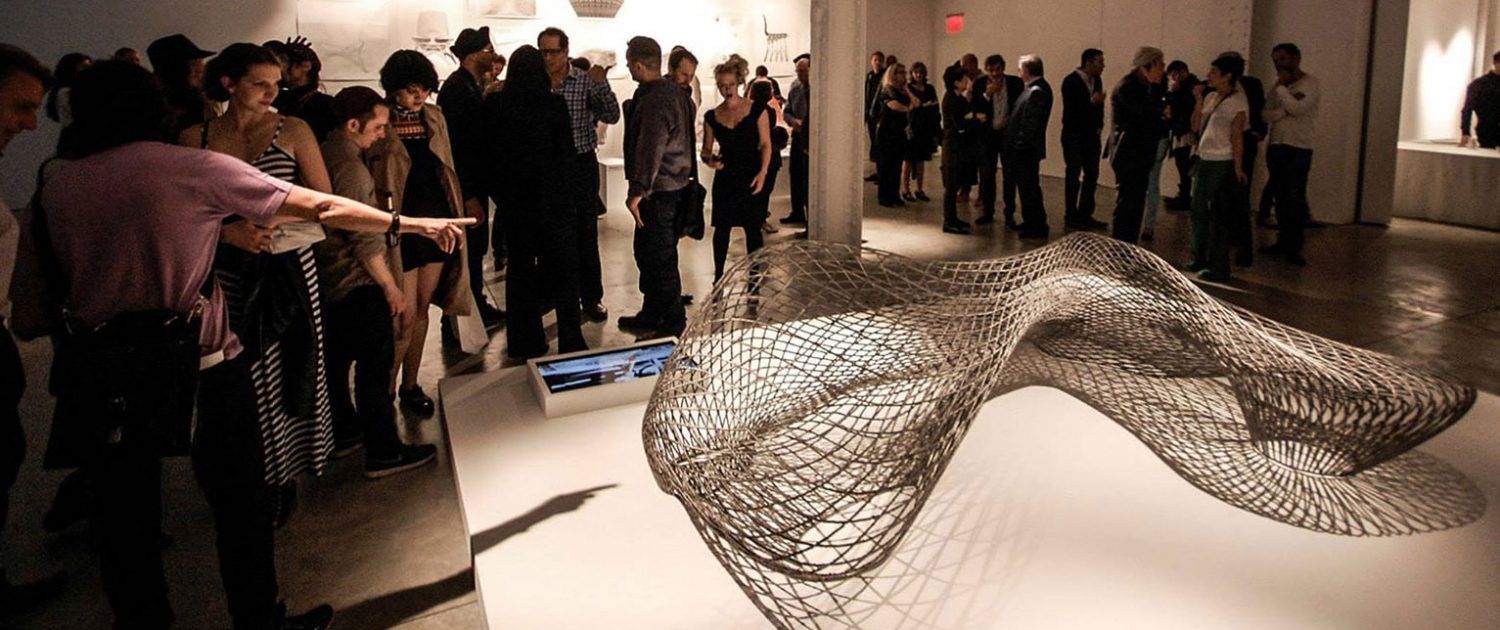
Architecture today is no longer confined to walls, columns, or glass facades. It is about creating experiential environments that move people emotionally as much as they impress visually.
A metal sculpture for architecture becomes a spatial statement, a language of emotion, proportion, and reflection. In corporate lobbies, a soaring corten steel form can symbolize resilience and progress. In luxury residences, a polished stainless steel sculpture may embody balance, stillness, or introspection.
Architects now collaborate with artists and sculpture studios like FormForge by Abhinav Goyal early in their design process to ensure materiality, light, and form work harmoniously. By integrating sculpture into the architectural blueprint, designers transform static structures into narratives of movement and meaning.
The Power of Metal: Strength, Elegance, and Adaptability
Corten Steel: The Warmth of Time
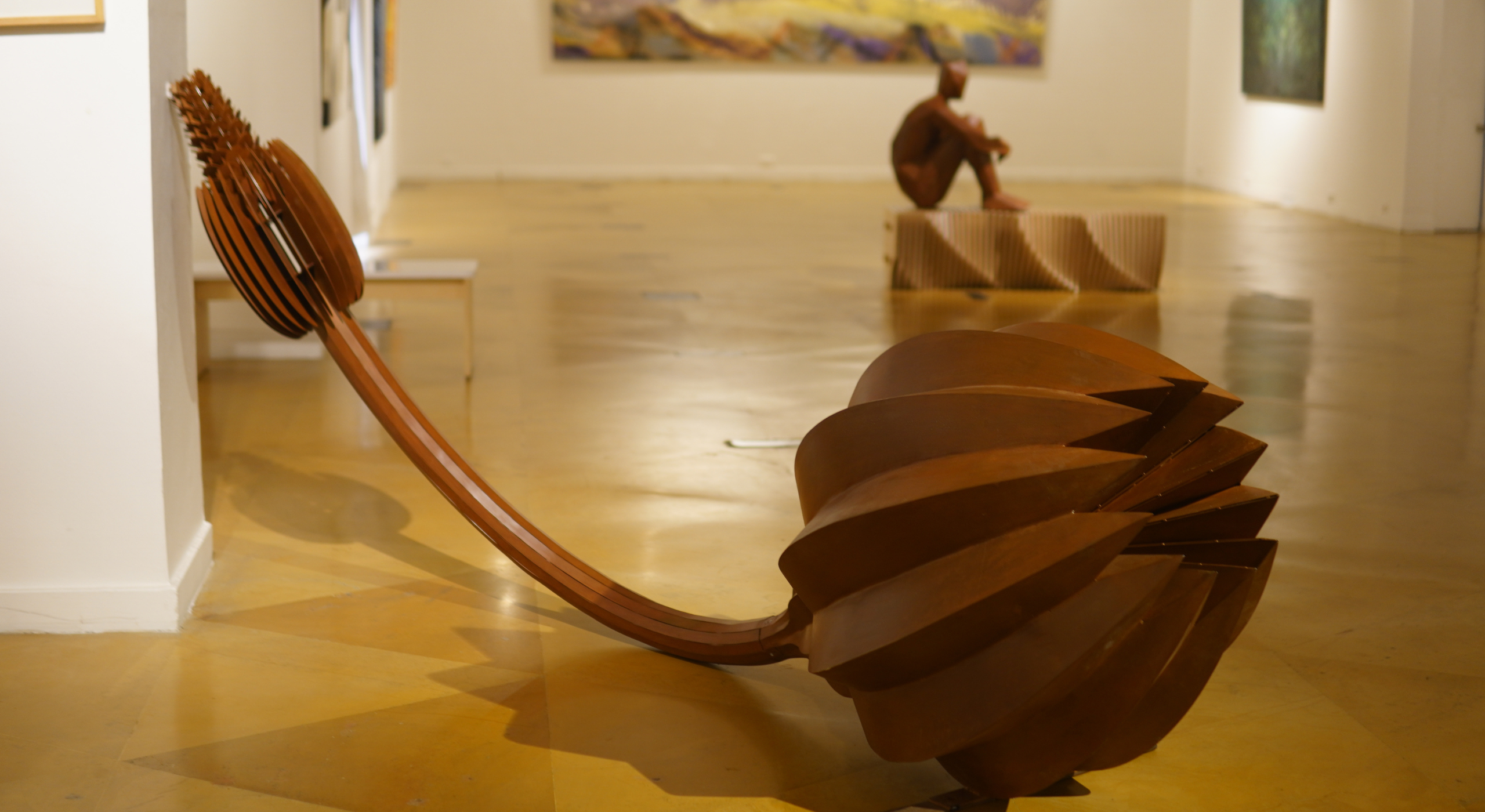
Corten steel sculptures are celebrated for their weathered, organic patina, a living surface that evolves with age. Its rust-like finish forms a protective layer, allowing the metal to age gracefully rather than decay. Architects often use corten to introduce warmth and tactility to modern spaces dominated by glass and concrete.
The material’s earthy tones complement both natural landscapes and urban environments, creating visual balance between the industrial and the organic. Whether used for a public art installation, a facade-integrated sculpture, or a landscape feature, corten steel evokes endurance and transformation, qualities deeply aligned with architectural philosophy.
Stainless Steel: The Poetry of Reflection
Where corten absorbs light, stainless steel reflects it. Its mirrored surface interacts dynamically with its surroundings, capturing colors, movements, and even weather patterns. This constant interplay turns a sculpture into a living organism that changes throughout the day.
For corporate headquarters, hotel courtyards, or urban plazas, stainless steel sculptures bring sophistication and visual lightness. Their ability to mirror surroundings allows them to merge with the architecture while still asserting their own identity, a balance of visibility and subtlety that few materials can achieve.
Site-Specific Sculpture: When Art Grows from Place
Every site tells its own story through geometry, light, and rhythm. Site-specific sculptures listen to these cues and grow organically from them.
At FormForge, the design process begins with understanding spatial energy: how people move, where light falls, how a structure breathes. A sculpture beside a glass facade may echo its vertical lines, while one in a garden might mimic the natural curvature of the landscape.
By merging art and architecture, these installations become extensions of the built form rather than mere additions. Through digital modeling, parametric design, and material simulations, FormForge ensures that each sculpture, whether a minimalist ribbon of steel or a hybrid organic form, belongs uniquely to its site.
Beyond Aesthetics: The Business Value of Sculptural Art
Art as a Branding Asset
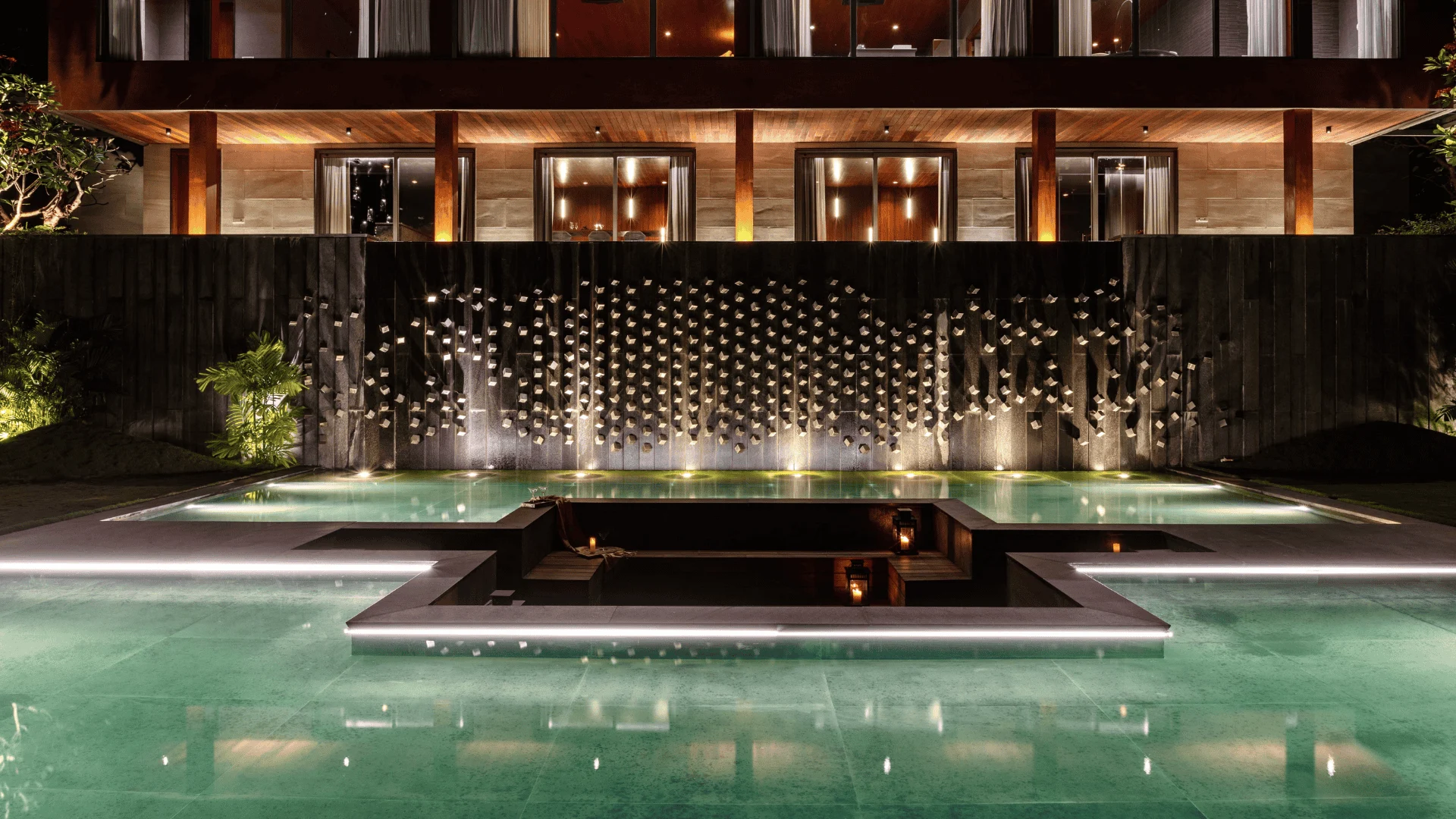
In a competitive architectural world, art is branding. A single landmark sculpture can transform a property into a recognizable icon, something visitors photograph, share, and remember. For developers, that visibility translates directly into value.
FormForge’s public and corporate sculptures often become focal points for marketing, branding, and storytelling. Whether featured in architectural photography, social media campaigns, or press coverage, a distinctive sculpture elevates a project from space to symbol.
Enhancing User Experience and Emotional Connection
Sculptural installations also create moments of reflection within high-traffic spaces. A corporate employee passing a stainless steel monolith daily forms an unconscious connection with it. The artwork becomes part of their environment’s identity.
In hospitality projects, art installations contribute to ambience and guest experience. They offer guests not just a place to stay, but a memory to carry, a hallmark of luxury.
The Process of Commissioning a Bespoke Sculpture
Step 1: Concept and Narrative
Commissioning a sculpture begins with dialogue. The client and artist align on the desired emotion, story, and material language. At FormForge, each piece starts as a concept narrative, a poetic translation of what the space intends to express.
Step 2: Digital Visualization
Designers at FormForge use Rhino, Grasshopper, and other generative design tools to visualize form, proportion, and light interaction. 3D renders help architects and clients understand how the sculpture will sit in its environment from every angle.
Step 3: Material Selection and Prototyping
Material sampling follows, choosing between corten steel, stainless steel, or mixed-metal combinations depending on tone, texture, and reflectivity. Scaled prototypes or 3D prints often help evaluate detail and finish.
Step 4: Fabrication and Finishing
Fabrication brings concept to reality. Using CNC laser cutting, metal folding, and precision welding, artisans transform sheet metal into sculptural geometry. Each edge, weld, and surface finish is refined through manual craftsmanship and machine accuracy.
Step 5: Installation and Legacy
The installation process considers structural load, anchoring, and safety, ensuring the sculpture endures weather and time. Final coatings, like oxidation stabilization for corten or mirror polish sealing for stainless steel, complete the process.
Why Metal Sculptures Resonate in the Age of Experiential Design
We live in an age where design must evoke emotion, not just function. People crave authenticity, a sense of touch, reflection, and memory within their built environments.
Metal sculptures bring tactility into spaces dominated by smooth materials like glass and plaster. They invite touch, interaction, and introspection. For experiential architects, these sculptures act as narrative anchors, translating architectural philosophy into emotional expression.
A sculpture’s curve, void, or fold might symbolize evolution, duality, or stillness, giving meaning to material. This blend of form and feeling aligns perfectly with today’s human-centered design movement, where experience defines value.
The Future: Architecture as a Living Gallery
Architecture and sculpture are converging. As sustainability, material innovation, and digital fabrication evolve, buildings themselves are becoming living galleries, dynamic compositions of art and structure.
Future architecture will feature facades embedded with kinetic sculptures that respond to wind, sunlight, or human movement. Corten steel panels will serve as weather-reactive skins, while mirror-polished stainless-steel totems will connect sky and earth through reflection.
Studios like FormForge are leading this movement, where fabrication precision meets conceptual art. Their sculptures bridge advanced technology and timeless craftsmanship, positioning them at the intersection of design and emotion.
Conclusion: FormForge and the Art of Spatial Storytelling
The convergence of architecture and sculpture represents a growing human desire to inhabit spaces that transcend the ordinary. Every metal sculpture by FormForge is an exploration of material and meaning: corten’s slow oxidation mirroring time, stainless steel’s reflection echoing life around it.
For architects, developers, and collectors, commissioning a sculpture is not just a creative decision but a legacy choice. It creates identity, value, and emotional depth that lasts far beyond a project’s completion.
In an era defined by speed and repetition, sculptures remind us of stillness and individuality. Through the fusion of digital precision and artisanal craft, FormForge by Abhinav Goyal continues to shape spaces where design becomes memory and memory becomes art.
Frequently Asked Questions
Why are architects integrating sculptures into building design?
Sculptures add emotional depth, branding value, and experiential richness that architecture alone cannot provide. They transform spaces into memorable narratives and elevate property identity.
What is the difference between corten and stainless steel in architecture?
Corten steel develops a warm, evolving rust patina that integrates with natural environments. Stainless steel reflects light and surroundings, creating dynamic, modern interactions with space and light.
How long does it take to commission a custom architectural sculpture?
From concept to installation, the process typically takes 8–16 weeks depending on complexity, size, and site requirements. Digital visualization and prototyping ensure precision before fabrication begins.
Can sculptures be integrated into building facades?
Yes. FormForge specializes in facade-integrated sculptures using structural engineering, parametric modeling, and weather-resistant materials to ensure safety, durability, and aesthetic harmony.
Do metal sculptures require maintenance in Indian climates?
Both corten and stainless steel are highly durable. Corten forms a self-protecting patina; stainless steel needs occasional cleaning. FormForge provides detailed care guides for each installation.
Are kinetic or interactive sculptures possible?
Absolutely. Using precision engineering and digital design, FormForge creates wind-responsive, light-reactive, or motion-activated sculptures that enhance experiential design.
Do you work with architects outside Delhi NCR?
Yes. FormForge collaborates with architects and developers across India, Dubai, and internationally. We handle shipping, installation, and site coordination nationwide and abroad.
Explore More From FormForge
View Our Portfolio
Explore our complete collection of metal sculptures and installations created for temples, homes, and commercial spaces worldwide.
Custom Sculptures
Get a custom god idol designed specifically for your space. Our team will help bring your vision to life with premium materials.
Related Articles

Luxury God Idols & Deity Statues | Stainless Steel, Brass & Corten Steel Collection
Explore Luxury God Idols & Hindu Deity Statues in Stainless Steel, Brass & Corten Steel. Discover custom-crafted Ganesha, Krishna, and Buddha sculptures available in antique, mirror-polished, and natural rust finishes. Designed to be weather-resistant and enduring, our religious idols are ideal for home temples, gardens, and monumental installations.
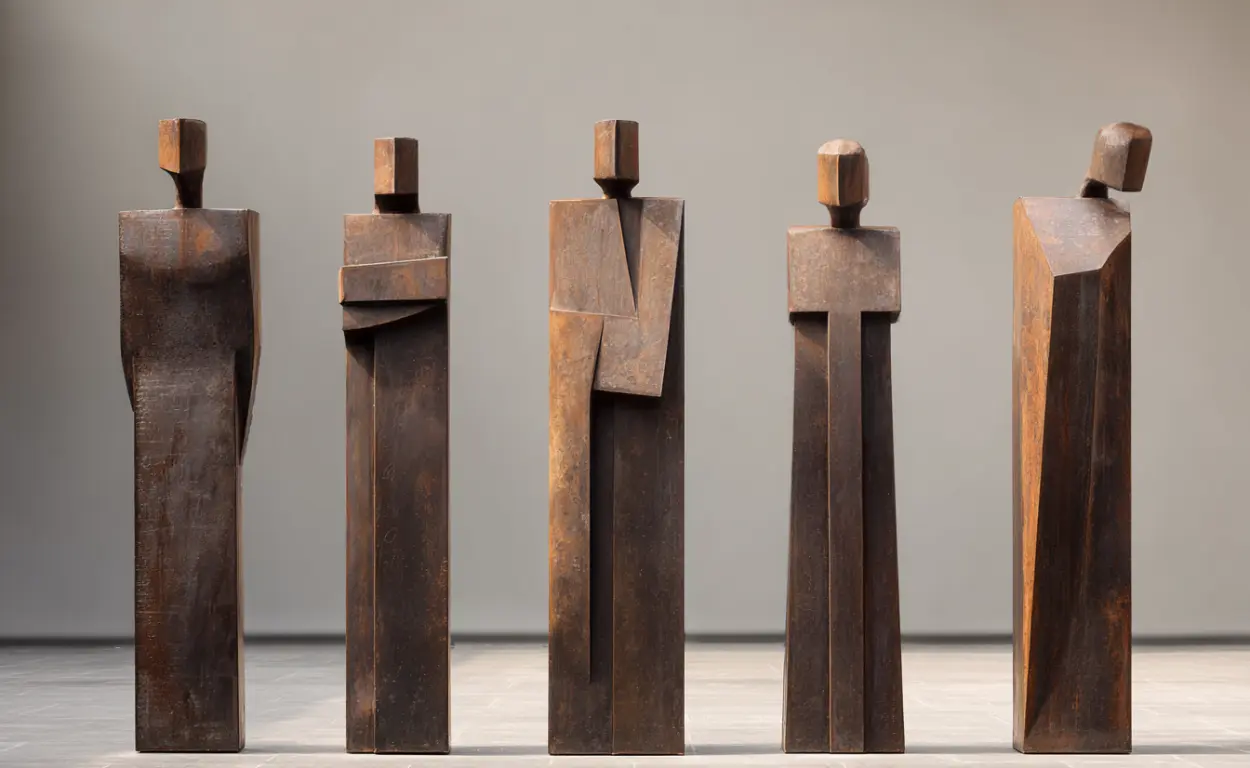
Outdoor Sculptures in Metal: The Complete Guide to Architectural & Site-Specific Installations
Explore the definitive guide to high-end outdoor sculptures in metal. Learn how corten steel, stainless steel, and bronze installations are designed, commissioned, and built for luxury residences, commercial developments, and public spaces — with Formforge's site-specific approach.