Bronze Sculpture in India: Complete Guide to Commissioning Custom Bronze Art | FormForge

Bronze Sculpture in India: A Complete Guide to Commissioning Custom Bronze Art
By Abhinav Goyal, Founder — FormForge Studio | Updated May 2026
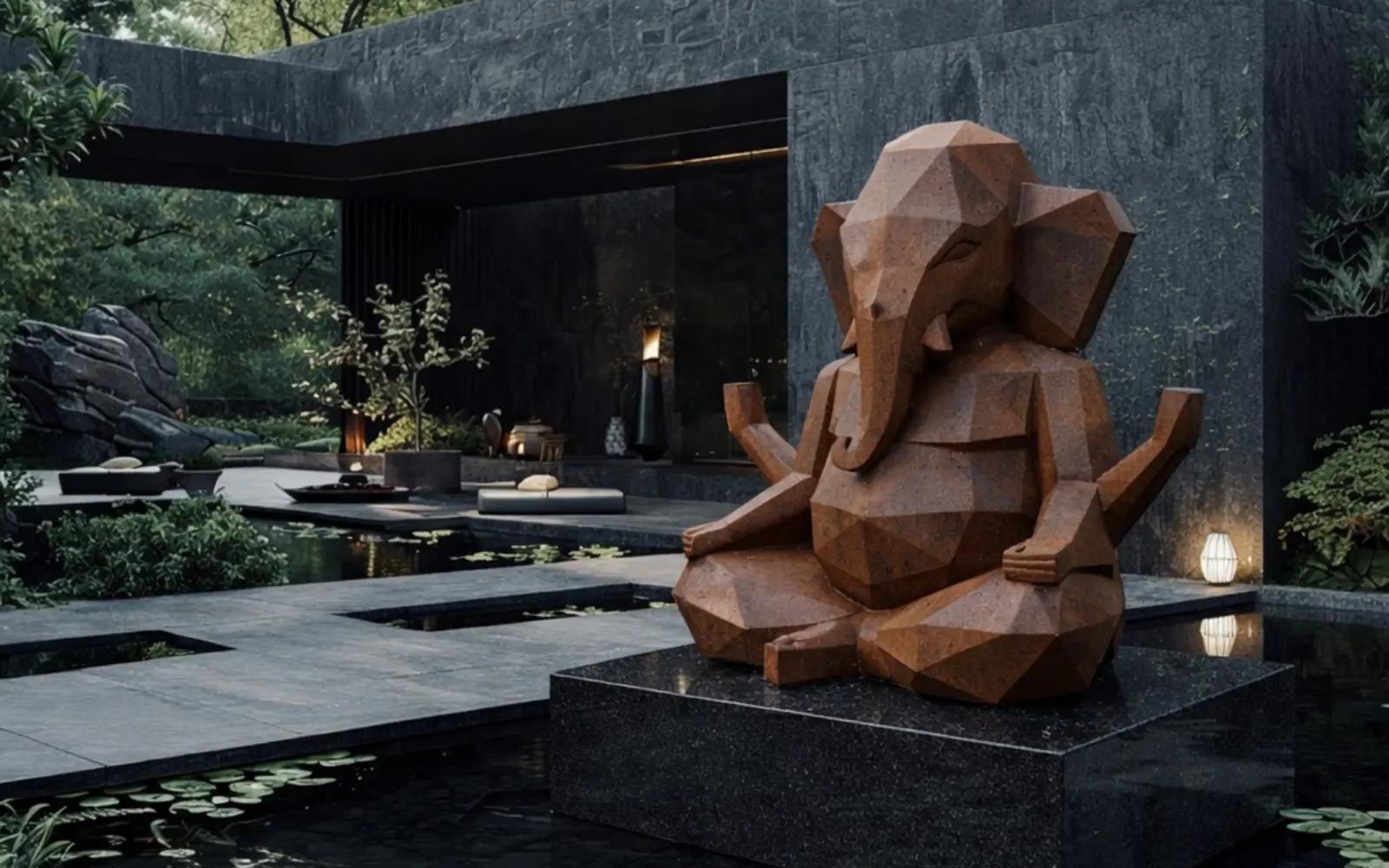
Considering a bronze sculpture? Bronze has been India's most revered sculpting material for over 4,000 years — from the Dancing Girl of Mohenjo-daro to contemporary public art installations. This guide covers the bronze casting process, material properties, pricing, and how to commission custom bronze sculpture in India today.
Why Bronze?
Bronze is an alloy of copper and tin — typically 88% copper and 12% tin — that has been the sculptor's material of choice since the Bronze Age. Its enduring popularity comes from a unique combination of properties no other material matches.
Bronze Sculpture in India: A 4,000-Year Tradition
India's bronze sculpting tradition is among the oldest and richest in the world. The Chola bronzes of Tamil Nadu (9th–13th century CE) are considered the pinnacle of bronze casting anywhere in history — the Nataraja (Dancing Shiva) being the most recognised example globally.
This tradition continues today. Indian foundries maintain the lost-wax casting technique — known as cire perdue in French, and madhu uchchhishta vidhana in ancient Sanskrit texts — that has been refined over millennia. Contemporary Indian sculptors and foundries combine this traditional mastery with modern engineering, allowing them to produce bronze sculpture at a quality level that rivals any foundry in the world — at significantly lower cost.
India's bronze sculpture expertise spans figurative work (portrait busts, deity statues, commemorative figures), abstract contemporary forms, relief panels, and monumental public art. The country's foundries serve both domestic demand and international clients from the USA, Europe, and the Middle East.
The Lost-Wax Bronze Casting Process
Bronze sculpture is created through a process called lost-wax casting — one of the oldest and most precise metalworking techniques known. Here's how it works:
Bronze vs. Other Sculpture Materials
How does bronze compare to other common sculpture materials?
Bronze vs. Stainless Steel
Bronze is warmer, more traditional, and excels at fine detail. Stainless steel sculptures are more contemporary, maintenance-free, and work better at very large scales (above 15 feet). Bronze requires periodic patina maintenance; stainless steel does not. Bronze is more expensive than stainless steel at the same scale.
Bronze vs. Corten Steel
Corten steel sculpture is significantly more affordable for large outdoor use and develops a self-maintaining patina. Bronze develops a different patina (green vs. rust-brown) and offers greater detail capability through casting. Corten is fabricated (cut and welded); bronze is cast — different techniques producing different aesthetic qualities.
Bronze vs. Brass
Both are copper alloys, but bronze (copper + tin) is harder and more weather-resistant than brass (copper + zinc). Bronze patinas green; brass patinas darker brown/black. Bronze is preferred for outdoor sculpture; brass is often used for indoor pieces and detail accents.
Bronze vs. FRP (Fibreglass)
FRP is dramatically cheaper and lighter but lacks the material integrity, aging quality, and perceived value of bronze. FRP sculptures are painted to imitate bronze; genuine bronze develops real patina. For permanent, high-value installations, bronze is always the superior choice. FRP is appropriate for temporary installations or budget-constrained projects.
Types of Bronze Sculpture
Portrait Busts
Bronze portrait busts are commissioned to honour individuals — founders, leaders, historical figures, family patriarchs. The lost-wax process captures facial details with extraordinary fidelity. Life-size bronze busts typically range from ₹1.5L–₹8L depending on detail level and finish.
Commemorative & Public Statues
Full-figure bronze statues for public spaces — parks, government buildings, institutions, memorial sites. These range from life-size (5–6 feet) to monumental (15–30+ feet). India has a strong tradition of commemorative statuary, and established foundries handle projects from concept to installation.
Contemporary Abstract Bronze
Not all bronze sculpture is figurative. Contemporary artists use bronze to create abstract forms — organic shapes, geometric compositions, and experimental pieces that leverage bronze's casting precision for complex geometries. Abstract bronze sculpture works beautifully in modern architectural settings.
Religious & Deity Sculptures
India's bronze casting tradition is deeply connected to religious art — Hindu deities (Ganesha, Shiva, Vishnu, Lakshmi), Buddhist figures, and Jain iconography. Temple installations, home shrines, and institutional religious art continue to drive demand for expertly cast bronze deity sculpture.
Relief Panels & Wall Sculpture
Bronze relief panels combine the storytelling capacity of mural art with the three-dimensionality and permanence of sculpture. These panels are common in airports, government buildings, five-star hotels, and memorial installations.
How Much Does a Bronze Sculpture Cost in India?
Bronze is a premium material — expect higher pricing than steel sculpture at comparable scale:
| Scale | Price Range |
|---|---|
| Small bronze sculptures (1–3 ft) | ₹1L – ₹5L |
| Medium bronze sculptures (3–6 ft) | ₹5L – ₹15L |
| Life-size bronze figures (5–6 ft) | ₹10L – ₹25L |
| Large bronze sculptures (6–12 ft) | ₹25L – ₹75L |
| Monumental bronze statues (12–30+ ft) | ₹75L – ₹3Cr+ |
| Portrait busts (life-size, detailed) | ₹1.5L – ₹8L |
| Bronze relief panels | ₹3,000 – ₹8,000 per sq ft |
India offers significant cost advantages for bronze casting compared to European and American foundries — typically 50–70% lower for comparable quality — due to skilled artisan availability and lower overhead costs.
Maintaining Bronze Sculpture
Bronze sculpture is durable but benefits from periodic maintenance to preserve its intended appearance:
FormForge and Bronze Sculpture
While FormForge primarily works in corten steel and stainless steel, we incorporate bronze and brass elements in our sculptural practice — particularly for accent details, mixed-material compositions, and projects where the warmth of copper alloys serves the design intent.
For projects requiring full bronze casting (portrait busts, figurative work, cast abstract forms), we collaborate with established foundries while maintaining design direction and quality control throughout the process.
600+ installations across India and the UAE. Featured in Architectural Digest India, GoodHomes, CEO Insights, India Design ID.
Frequently Asked Questions
What is bronze sculpture?
Bronze sculpture is three-dimensional artwork created by casting molten bronze (an alloy of copper and tin) using the lost-wax method. Bronze has been used for sculpture for over 4,000 years due to its exceptional detail capture, durability, and beautiful natural patina.
How is bronze sculpture made?
Bronze sculpture is made through lost-wax casting: an original is sculpted in clay, a mould is created, a wax replica is made, the wax is coated in ceramic shell, the wax is melted out, molten bronze is poured in, the ceramic is removed, and the bronze is chased and patinated. This process takes 6–12 weeks.
How much does a bronze statue cost in India?
Small bronze sculptures (1–3 ft) cost ₹1L–₹5L. Life-size figures cost ₹10L–₹25L. Monumental statues (12–30+ ft) range from ₹75L–₹3Cr+. India offers 50–70% cost savings compared to European foundries at comparable quality.
How long does bronze sculpture last outdoors?
Bronze sculpture is virtually permanent outdoors. Museum collections contain bronze works from 3000 BCE that remain structurally sound. With basic maintenance (annual waxing), outdoor bronze sculpture maintains its appearance indefinitely. Without maintenance, it develops a natural green patina that is protective, not destructive.
What is the difference between bronze and brass sculpture?
Bronze is a copper-tin alloy; brass is a copper-zinc alloy. Bronze is harder, more weather-resistant, and develops a green patina. Brass is softer, develops a darker patina, and is typically used for indoor pieces. Bronze is the standard material for outdoor sculpture and public art; brass is common for interior decorative work and accent elements.
Start Your Bronze Sculpture Project
600+ Installations · 10+ Years · India & UAE Delivery
Get a Free ConsultationFormForge is a design-led sculpture studio based in Noida, Delhi NCR, India. Founded by Abhinav Goyal. Custom metal sculptures in corten steel, stainless steel, brass, and bronze. 600+ installations across India and the UAE.
Explore More From FormForge
View Our Portfolio
Explore our complete collection of metal sculptures and installations created for temples, homes, and commercial spaces worldwide.
Custom Sculptures
Get a custom god idol designed specifically for your space. Our team will help bring your vision to life with premium materials.
Related Articles

Custom Metal God Idols & Hindu Deity Statues in Steel, Brass & Corten | FormForge India
Commission handcrafted metal god idols and Hindu deity statues in stainless steel, brass, and corten steel. Custom Ganesha, Shiva, Nandi, Buddha — weather-resistant, vastu-compliant, 6 inches to 20 feet. Get a quote from FormForge.
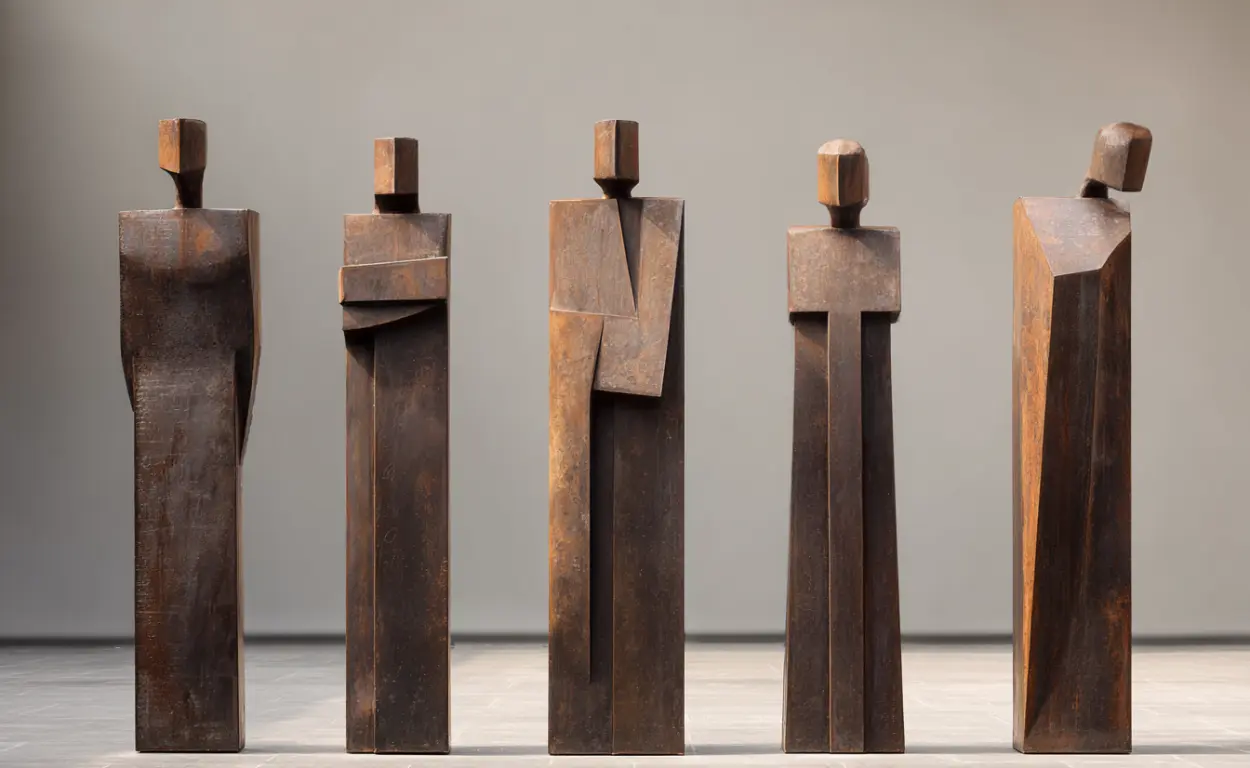
Outdoor Sculptures in Metal: The Complete Guide to Architectural & Site-Specific Installations
Explore the definitive guide to high-end outdoor sculptures in metal. Learn how corten steel, stainless steel, and bronze installations are designed, commissioned, and built for luxury residences, commercial developments, and public spaces — with Formforge's site-specific approach.