Public Art Installation in India: Complete Guide for Developers, Architects & Municipalities | FormForge

Public Art Installation in India: A Complete Guide for Developers, Architects & Municipalities
By Abhinav Goyal, Founder — FormForge Studio | Updated May 2026

Planning a public art installation? Whether you're a real estate developer adding a landmark sculpture to a township entrance, an architect integrating art into a civic building, or a municipal body commissioning art for a public park — this guide covers everything: planning, budgeting, material selection, commissioning process, and how to create public art that lasts decades.
Types of Public Art Installation
Landmark Sculptures
Freestanding public art sculptures at prominent locations — city entrances, roundabouts, park centres, waterfront promenades. Designed to be iconic: recognisable, photographable, and associated with the place itself. Need bold forms that read clearly at distance and materials that age gracefully without maintenance.
Township & Residential Entry Sculptures
Real estate developers commission entrance sculptures to establish identity, signal quality, and differentiate their projects. A 15-foot corten steel sculpture at a township gate tells prospective buyers that this is a premium development before they see a single apartment.
Campus & Corporate Public Art
IT parks and corporate campuses use public art to create distinctive, memorable environments. Sculpture gardens, courtyard installations, and building-integrated art transform generic commercial real estate into branded destinations.
Transit & Infrastructure Art
Metro stations, airports, railway stations, and highway interchanges are increasingly incorporating public art. India's airport expansion programme and metro rail projects have created significant opportunities for large-scale installation art.
Park & Garden Public Art
Sculpture in public parks creates destinations within the landscape — reasons to walk deeper, sit longer, and return. Park art can be more experimental; the audience is in a leisure mindset, willing to engage with challenging or playful forms.
Planning a Public Art Installation
Site Analysis
Every public art project begins with understanding the site — physical context, environmental exposure (sun, wind, rainfall, coastal salt), audience flow patterns, and architectural context. The sculpture must respond to, not ignore, its architectural neighbours.
Concept Development
Public art concepts should emerge from the site, the community, and the project's purpose. The strongest concepts are simple to grasp but rich enough to reward repeated viewing. Avoid concepts that require a plaque to explain — if the viewer needs to read before they can appreciate, the sculpture hasn't succeeded.
Approvals & Permissions
Depending on location, public art may require permissions from local municipal authorities, building management committees, heritage conservation bodies (for heritage zones), or aviation authorities (for tall structures near airports). Start the approvals process early — it can add 4–8 weeks to the project timeline.
Materials for Public Art
| Material | Lifespan | Maintenance | Best For |
|---|---|---|---|
| Corten Steel | 50–100+ years | None | Landmark, park, township art |
| Stainless Steel (316) | 50–100+ years | Annual cleaning | Reflective, contemporary, coastal |
| Bronze | Essentially permanent | Annual waxing | Commemorative, figurative |
| FRP / Painted Steel | 5–10 years | Frequent repainting | Temporary installations only |
Budgeting for Public Art
The 1% for Art Principle
Many progressive developers and municipalities allocate 1% of total construction cost to public art. For a ₹500 Crore township development, 1% = ₹5 Crore — sufficient for a curated programme of 5–10 significant sculptures across the development.
| Scale | Price Range |
|---|---|
| Small park sculptures (4–8 ft) | ₹5L – ₹15L |
| Township entrance sculptures (8–15 ft) | ₹15L – ₹50L |
| Landmark public sculptures (15–25 ft) | ₹50L – ₹1.5Cr |
| Monumental installations (25+ ft) | ₹1.5Cr – ₹5Cr+ |
The Public Art Commission Process
Total timeline: 5–6 months for a single sculpture. 8–12 months for a multi-sculpture campus programme.
Frequently Asked Questions
What is public art installation?
Public art installation is artwork placed in publicly accessible spaces such as parks, plazas, building entrances, transit stations, and campus grounds. It's designed to be experienced by large, diverse audiences and built to endure decades of outdoor exposure.
How much does public art cost in India?
Public art sculpture in India ranges from ₹5L for small park pieces (4–8 ft) to ₹5Cr+ for monumental installations (25+ ft). Township entrance sculptures typically cost ₹15L–₹50L. India offers 40–60% cost advantages over Western markets.
What is the best material for public art?
Corten steel and stainless steel (316 grade) are the most durable and maintenance-efficient materials for permanent outdoor public art. Corten requires zero maintenance; stainless steel requires only periodic cleaning. Both have 50–100+ year lifespans.
How long does a public art project take?
A single sculpture project typically takes 5–6 months from initial brief to installed artwork. Multi-sculpture campus programmes take 8–12 months. This includes concept development (4–8 weeks), design and engineering (4 weeks), fabrication (8–12 weeks), and installation (2–4 weeks).
Ready to Create Public Art?
600+ Installations · 10+ Years · India & UAE Delivery
Start Your Public Art ProjectExplore More From FormForge
View Our Portfolio
Explore our complete collection of metal sculptures and installations created for temples, homes, and commercial spaces worldwide.
Custom Sculptures
Get a custom god idol designed specifically for your space. Our team will help bring your vision to life with premium materials.
Related Articles

Custom Metal God Idols & Hindu Deity Statues in Steel, Brass & Corten | FormForge India
Commission handcrafted metal god idols and Hindu deity statues in stainless steel, brass, and corten steel. Custom Ganesha, Shiva, Nandi, Buddha — weather-resistant, vastu-compliant, 6 inches to 20 feet. Get a quote from FormForge.
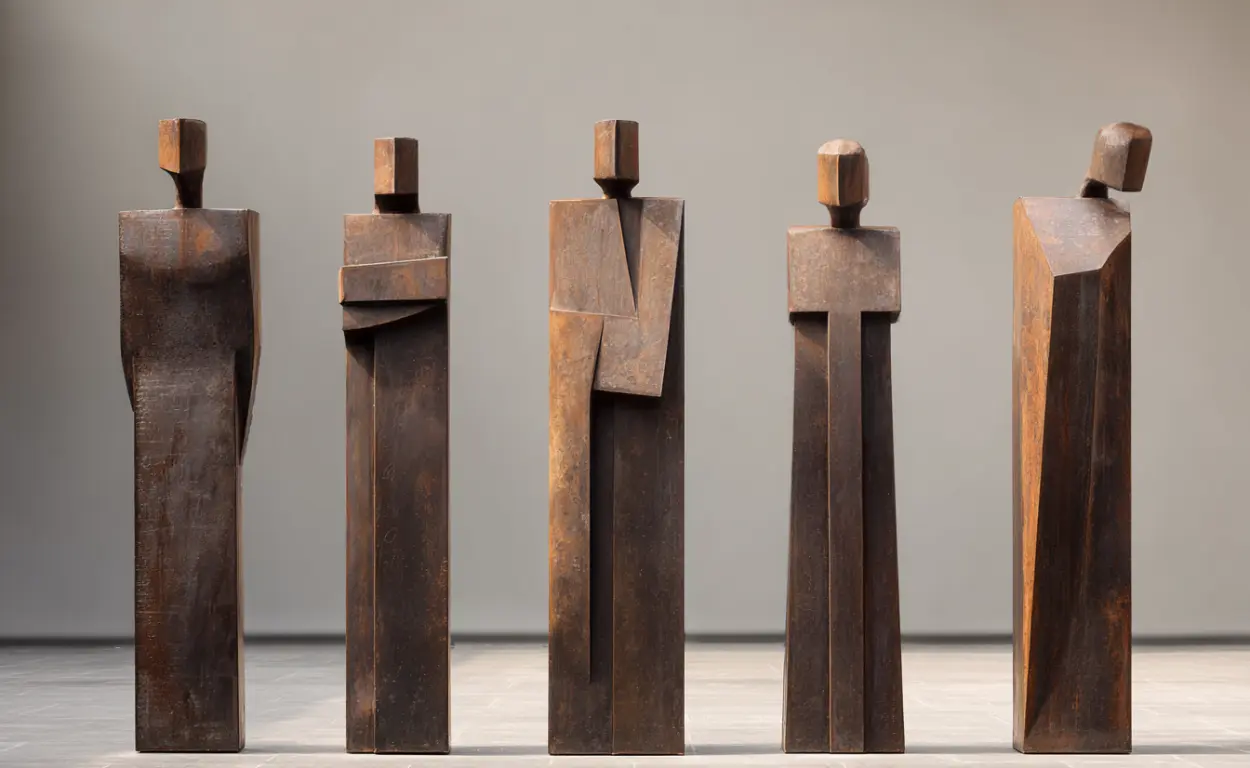
Outdoor Sculptures in Metal: The Complete Guide to Architectural & Site-Specific Installations
Explore the definitive guide to high-end outdoor sculptures in metal. Learn how corten steel, stainless steel, and bronze installations are designed, commissioned, and built for luxury residences, commercial developments, and public spaces — with Formforge's site-specific approach.